


The World Health Organization (WHO) is supporting community engagement efforts in Niania, in the Democratic Republic of the Congo (DRC), to address misinformation and rebuild public trust in the response to the Ebola outbreak caused by the Bundibugyo virus.
The initiative, led by the Ministry of Public Health, Hygiene and Social Welfare with support from WHO and partners, focuses on listening to residents’ concerns, addressing rumours and encouraging people to seek medical attention promptly when symptoms appear.
At the beginning of the outbreak, misinformation contributed to fear and mistrust in some communities. Rumours suggested that health teams were contaminating toilets and shower areas, while others claimed that patients taken to Ebola treatment centres did not return alive.
Reverend Bienvenu Ndombe, a representative of revival churches in the Bandaka chiefdom, said he initially struggled to distinguish between rumours and facts. His perception changed after participating in community discussions and visiting the Niania Ebola treatment centre alongside other religious leaders.
During the visit, they spoke with patients and observed the care being provided, including patients recovering and returning home. Reverend Bienvenu subsequently began encouraging members of his congregation to seek medical attention promptly if they developed symptoms.
The importance of early care-seeking is also reflected in the experience of Sébastien Mugiamaro, a school administrator in the Babonde area. After developing severe headaches, he sought medical attention because he had lost both parents to Ebola. Tests ruled out the disease, allowing him to receive appropriate treatment.
Mugiamaro now encourages residents to seek professional medical care when symptoms appear rather than relying on rumours.
According to Dr Joseph Pemanakue Babundiak, Chief Medical Officer of Niania Health Zone, dialogue has become an important tool for addressing concerns, rebuilding confidence and strengthening community participation in the outbreak response.
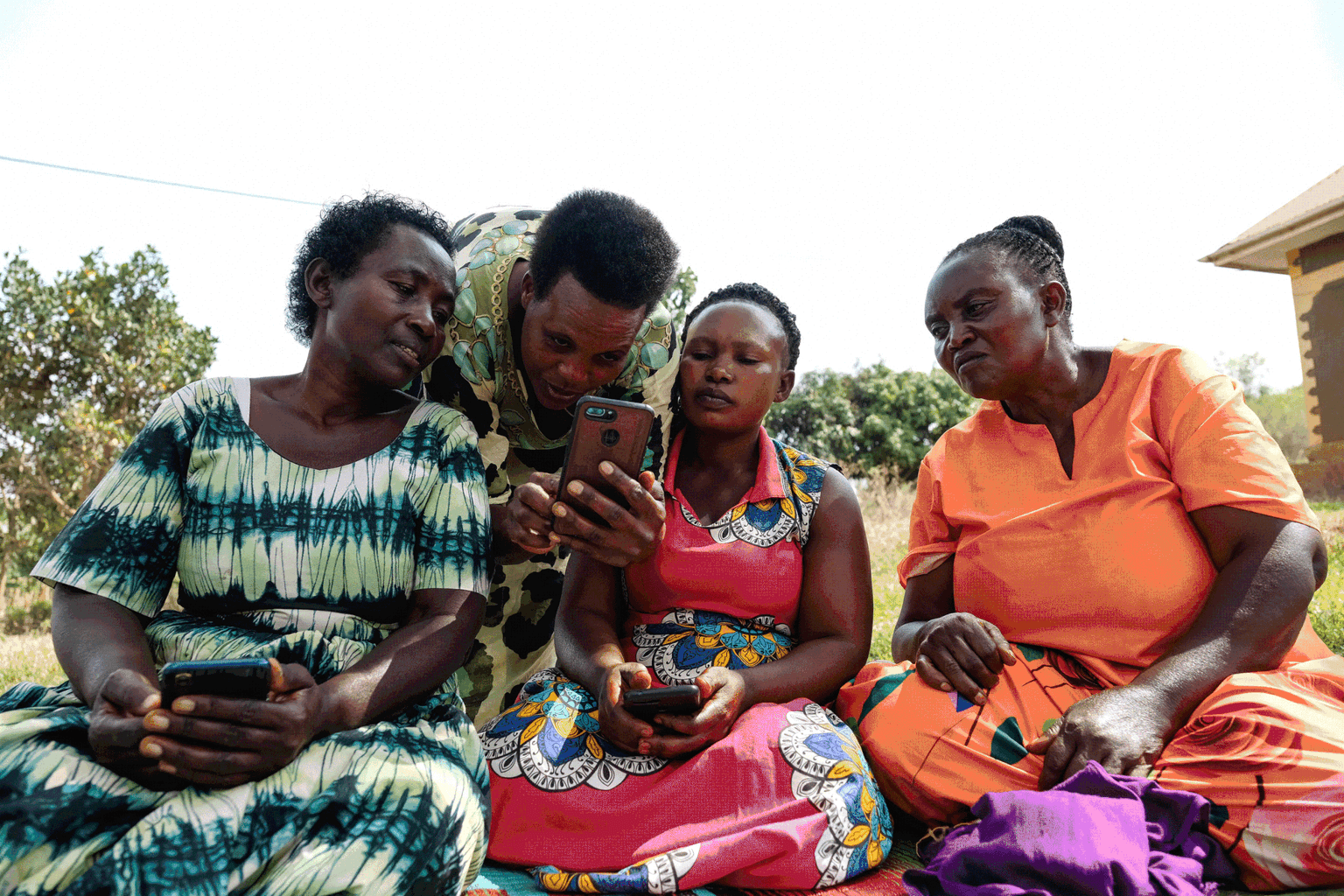
Community engagement activities have brought together traditional and religious leaders, young people, women’s associations, motorcycle taxi drivers and traditional healers. The discussions have been complemented by practical demonstrations on safe and dignified burials and the preparation of chlorinated solutions for infection prevention and control.
The activities have recorded encouraging participation. On 11 August 2026, a community dialogue in Likpangola attracted approximately 55 people, of whom 52 expressed a willingness to support the response. On 10 September, an awareness campaign reached nearly 2,500 people in the Juhudi and Bafwabango health areas.
Two days later, 110 community volunteers, including 45 women, participated in an orientation session to strengthen local involvement. Radio messages and programmes in French, Swahili and Lingala were also broadcast across five community radio stations to reach wider audiences.
WHO says these efforts have helped improve acceptance of public health interventions that previously faced resistance, including safe burials, decontamination activities and the referral of suspected cases to health facilities.
Dr Bavon Tangunza Ngunga, who oversees infodemic management and risk communication and community engagement at the WHO office in the DRC, explained that rumours often reflect deeper concerns, including fear, negative experiences with healthcare services and practical barriers to accessing treatment.
He said addressing misinformation requires more than simply distributing information. Health authorities must listen to communities, understand the reasons behind their concerns and adapt their responses accordingly.
WHO is supporting these efforts through social listening activities and engagement with leaders from different groups to identify emerging concerns and develop appropriate responses.
Despite the progress, some concerns remain, highlighting the need for sustained engagement and continued efforts to encourage early medical care.
The experience in Niania demonstrates how involving trusted community figures in public health communication can help bridge the gap between health authorities and residents. By combining open dialogue, practical demonstrations and accessible information, response teams are working to strengthen trust and improve cooperation in efforts to contain the outbreak.






Leave a comment