


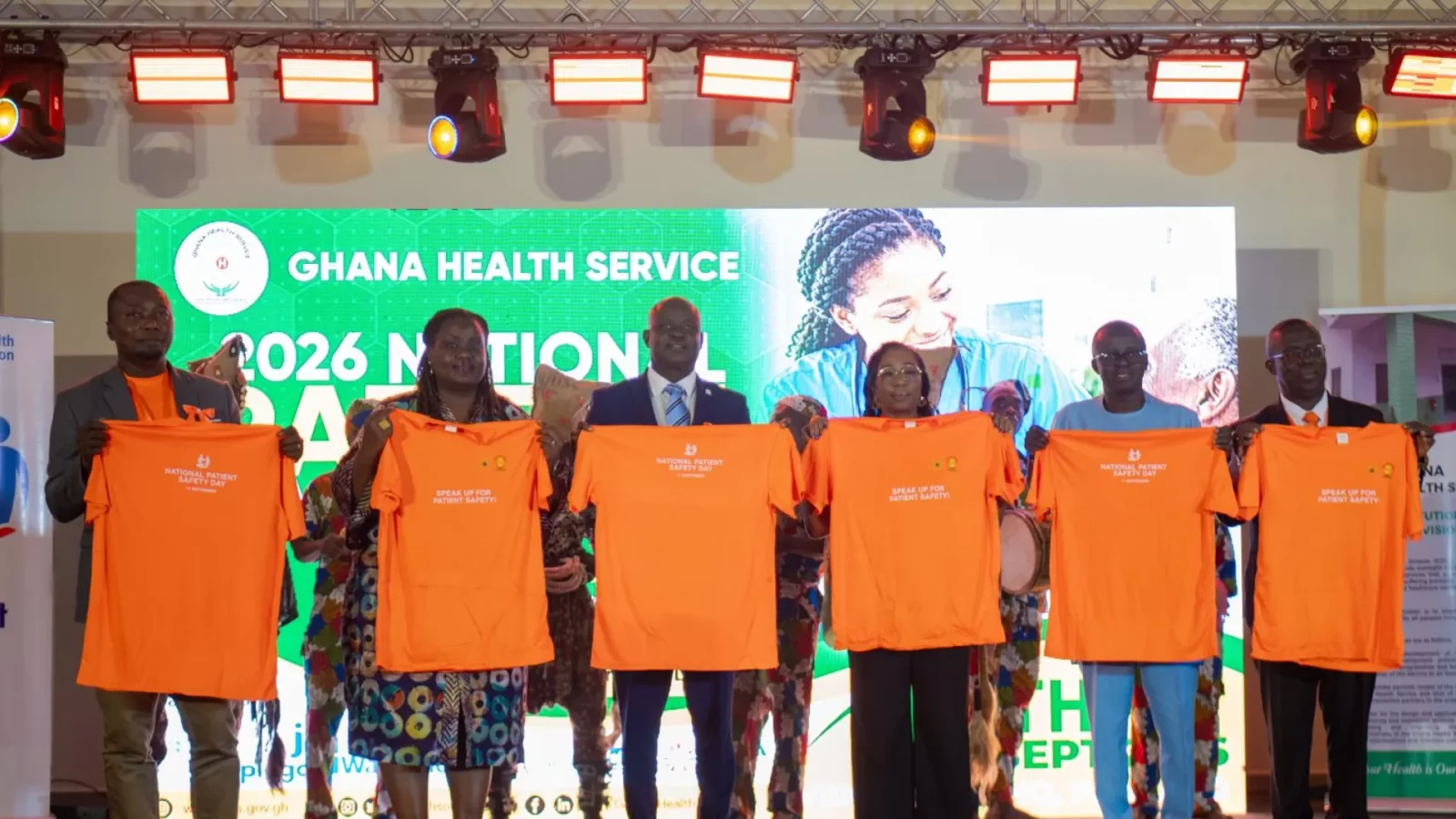
The World Health Organization (WHO) and the Ghana Health Service (GHS) have called for stronger patient safety measures as noncommunicable diseases (NCDs) continue to place growing demands on Ghana’s healthcare system.
The call was made during the commemoration of World Patient Safety Day 2026, held under the theme “Safe care for noncommunicable diseases” and the slogan “Safe care for life!”. The event highlighted the need to protect patients throughout their healthcare journey, from prevention and diagnosis to treatment, rehabilitation and long-term follow-up.
NCDs, including cardiovascular diseases, cancer, diabetes and chronic respiratory diseases, account for approximately 45 to 47 per cent of deaths in Ghana, according to figures presented by WHO Ghana. Across the WHO African Region, these conditions account for 35 per cent of all deaths, based on 2021 data, and are projected to become the leading cause of mortality in the region by 2030.
Dr Fiona Braka, WHO Representative in Ghana, said patient safety must remain central to efforts to improve health outcomes as the country responds to the increasing burden of chronic diseases.
She stressed that healthcare must not only be accessible but also safe, coordinated and of good quality, noting that patient safety is essential to building public trust in health services.
During a presentation on patient safety across the continuum of NCD prevention and care, Dr Angela Ackon, Technical Officer for Integrated Service Delivery at WHO Ghana, highlighted several risks faced by patients. These include missed opportunities for early detection, delayed or inaccurate diagnoses, medication errors, fragmented referrals and inadequate follow-up and rehabilitation.
She also cited global estimates indicating that one in every 10 patients experiences harm during healthcare, with nearly half of such harm considered preventable.
For people living with chronic conditions, who may require repeated medical consultations and treatment over many years, these risks can have serious consequences. Gaps in communication, inconsistent medication management and poor coordination between healthcare facilities can undermine treatment and expose patients to avoidable harm.
Dr Ackon called for improvements in continuity of care, healthcare worker capacity, access to safe medicines and diagnostic services, rehabilitation, psychosocial support, patient participation and health information systems.
She noted that strengthening these areas would help health facilities identify risks, learn from adverse events and improve the quality of services delivered to patients.
Dr Caroline Reindorf Amissah, Deputy Director-General of the Ghana Health Service, also emphasised the need for collective action to make healthcare safer. She said health workers, managers, patients, families and communities all have roles to play in preventing harm and improving care.
The call comes amid concerns about the growing prevalence of risk factors for NCDs in Ghana. Findings from the country’s 2023 STEPS survey highlighted concerns relating to hypertension, diabetes, obesity and physical inactivity among adults.
Addressing these challenges requires a stronger focus on prevention, regular screening and early diagnosis, alongside reliable treatment and long-term support for people already living with chronic conditions.
The commemoration reinforced the importance of placing patients at the centre of healthcare delivery. As Ghana works to strengthen its response to NCDs, improving referral systems, supporting healthcare professionals and ensuring consistent follow-up will be essential to reducing avoidable harm.
WHO and the Ghana Health Service maintain that safe, respectful and coordinated care must extend across the entire patient journey to improve health outcomes and strengthen confidence in the country’s healthcare system.






Leave a comment