

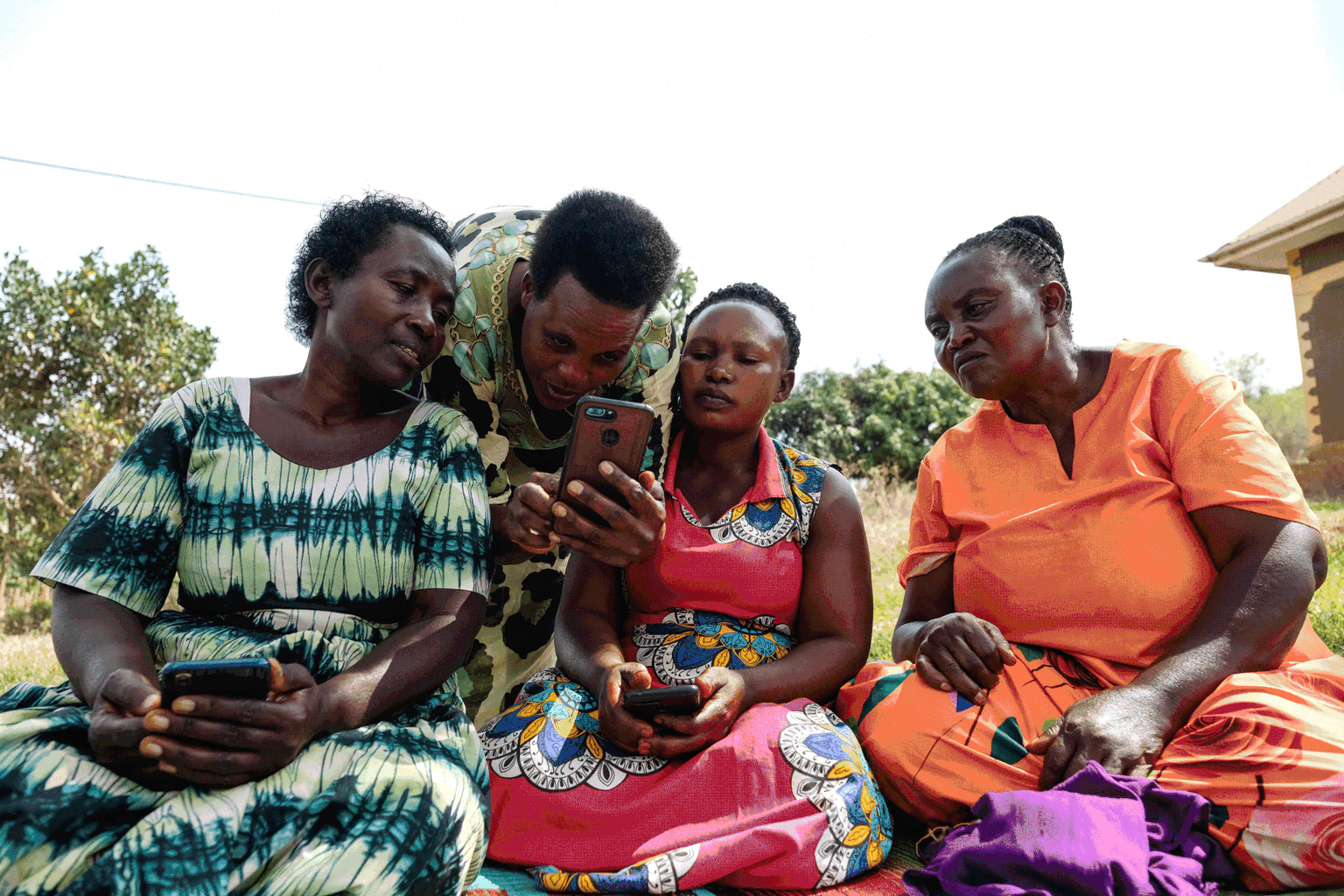
The Climate Adaptation and Resilience (CLARE) programme has reported progress in advancing climate adaptation and resilience, with its research supporting more than 95 Southern-led climate solutions across Africa and the Asia-Pacific region.
The update, published on 16 October 2026, highlights how research supported by CLARE is contributing to inclusive and sustainable responses to climate change, particularly for vulnerable communities facing climate-related hazards. The programme aims to bridge the gap between scientific research and practical action by helping governments, communities and other stakeholders use evidence to strengthen climate resilience. <Cite refs={[“turn399251search0″,”turn399251search2”]}/>
According to the programme’s October newsletter, recent research has generated examples of practical impact, ranging from community-based early warning systems to the use of research evidence in planning for climate-related displacement. These initiatives demonstrate how locally informed research can support decision-making and help communities prepare for and respond to climate risks.
In September, the global CLARE community gathered in Arusha, Tanzania, for CLARExchange 2026, held from 22 to 25 September under the theme “Celebrating and Sustaining Our Collective Impact”. The gathering provided an opportunity for researchers, policymakers, practitioners and other partners to review achievements, exchange lessons and explore ways to sustain the benefits of climate research beyond individual projects. <Cite refs={[“turn399251search1”]}/>
The programme is also continuing its public webinar series, which provides opportunities for researchers and practitioners to share findings and make evidence from climate adaptation projects accessible to policymakers and other knowledge users. The series is scheduled to run until November 2026.
Other developments highlighted in the newsletter include a new collection of more than 200 photographs produced in partnership with Climate Visuals. The images document climate adaptation research and action in practice and are available for free use in non-profit, editorial and educational contexts.
Among the featured research initiatives is the Spatial Surge Forecasting Using Artificial Intelligence and Community Knowledge (SURF-IT) project in southwestern Bangladesh. The project combines artificial intelligence with community knowledge to improve forecasting of storm-surge impacts and support early action in vulnerable coastal communities. It aims to benefit more than 600,000 residents across 20 unions in the Khulna and Satkhira districts. <Cite refs={[“turn399251search0”]}/>
Looking ahead, CLARE plans to maintain its engagement with research partners, policymakers and communities as the programme prepares for further climate discussions and activities around the 31st United Nations Climate Change Conference (COP31) in Türkiye.
The programme’s latest update reinforces the importance of locally led research, partnerships and the practical application of scientific evidence in building climate resilience. Sustaining these efforts will be essential to ensuring that climate adaptation solutions continue to benefit vulnerable populations beyond the lifespan of individual research projects.

Leave a Reply