

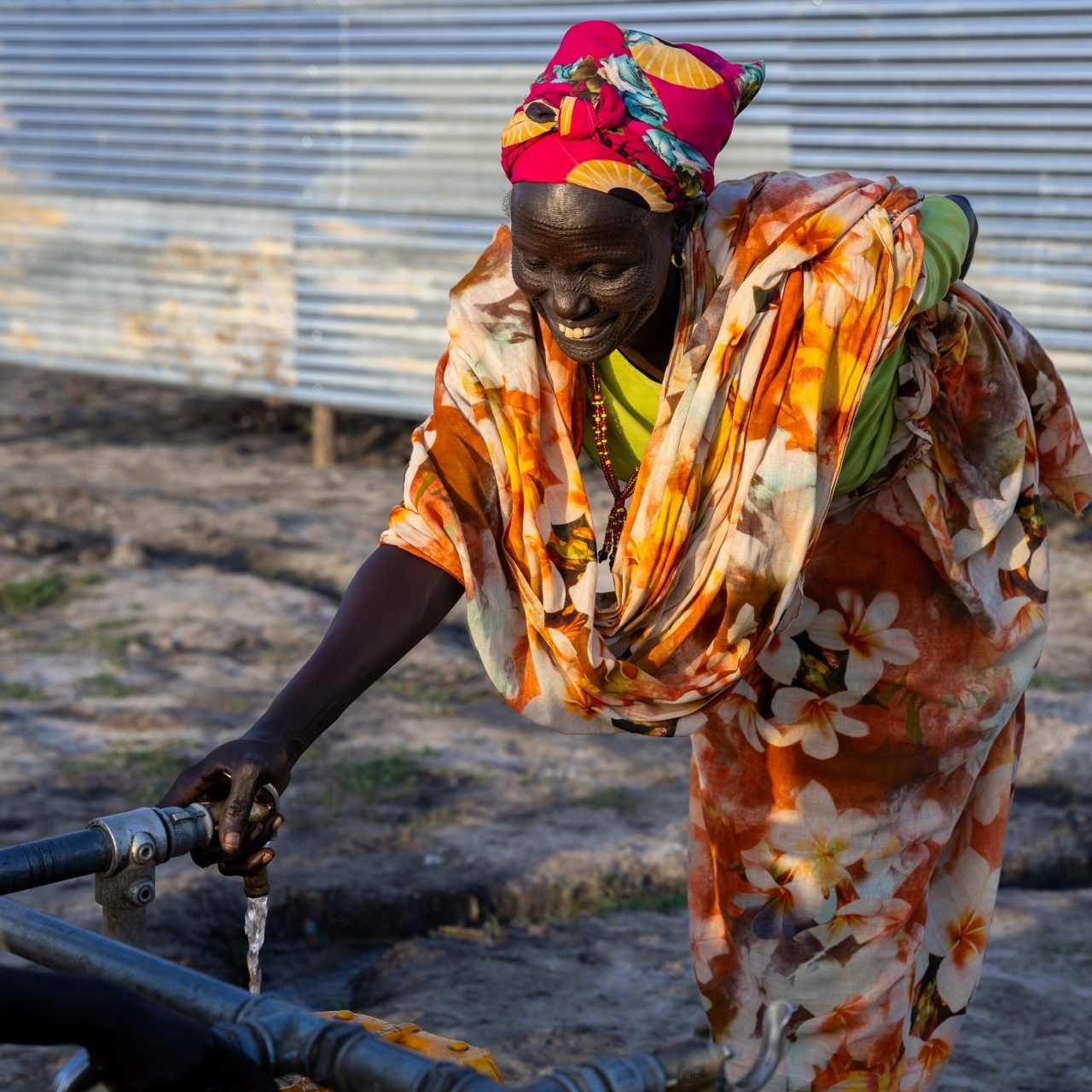
UNICEF Opens Call for Partners on WASH and Resilience Project Targeting 30,000 Women and Children in South Sudan.
UNICEF is seeking qualified organisations to deliver an emergency Water, Sanitation, and Hygiene project in Upper Nile State, one of South Sudan’s most crisis-battered regions, with the initiative targeting approximately 30,000 vulnerable women and children through a combination of immediate humanitarian response and long-term sustainability programming.
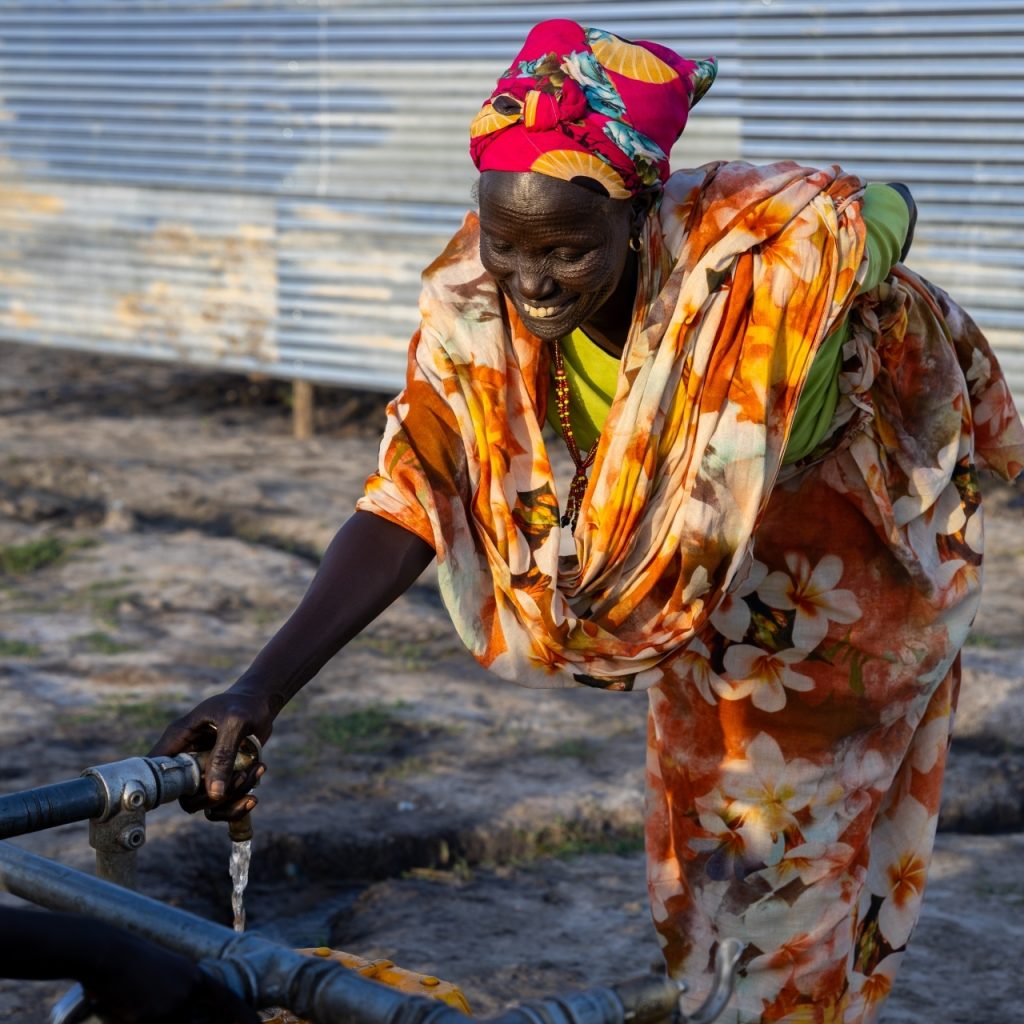
The call for Expressions of Interest closes on June 15, 2026, giving eligible organisations a narrow window to position themselves for what is one of the most comprehensively scoped WASH humanitarian tenders on the continent this year.
Why Upper Nile State
South Sudan’s humanitarian situation remains among the most severe in sub-Saharan Africa. The country continues to absorb the compounding effects of armed conflict, economic collapse, climate-related flooding and drought, large-scale population displacement, and persistent refugee and returnee influxes into communities with infrastructure systems already stretched beyond capacity.
Upper Nile State sits at the intersection of all of these pressures simultaneously. The collapse of water and sanitation infrastructure across the state has produced cycles of cholera and other waterborne disease outbreaks that kill preventable deaths year after year, with children under five and pregnant and lactating women carrying the highest burden of risk. In a region where the baseline is already fragile, every rainy season becomes a potential public health emergency.
The Scope of the Work
The project architecture is wide in scope and deliberately combines emergency response with resilience building to avoid the pattern of repeated humanitarian cycles that characterise poorly designed WASH interventions.
On the infrastructure side, implementing partners will be expected to rehabilitate surface water treatment systems and solar-powered water yards, repair and upgrade boreholes, expand safe drinking water access, and conduct water quality monitoring and treatment across target communities. Sanitation work covers construction and rehabilitation of facilities with specific attention to health centres and nutrition facilities, which serve the most medically vulnerable populations.
The hygiene programming component goes beyond distribution of supplies and requires genuine behaviour change programming through community-based hygiene education, risk communication and community engagement, handwashing promotion, safe water handling, disease prevention messaging, and environmental sanitation awareness.
Emergency WASH supplies will be distributed directly to the most at-risk populations including displaced households, malnourished children, pregnant women, lactating mothers, and host communities absorbing displacement pressures.
The resilience component is arguably the most strategically important element of the design. The initiative invests in training Water Management Committees, community WASH structures, water quality monitors, local technicians, community volunteers, and hygiene promoters to create the local human infrastructure that sustains physical infrastructure long after external implementing partners have moved on. Climate adaptation is embedded throughout, with water conservation measures, climate-adaptive technologies, and community-based resilience planning integrated into the programme model rather than bolted on as an afterthought.
Who Should Apply
UNICEF is looking for organisations with credible technical depth and verifiable field experience. The eligible applicant pool includes international and national NGOs, civil society organisations, humanitarian organisations, and community-based organisations with documented track records in WASH programming, humanitarian response, infrastructure rehabilitation, community engagement, capacity building, and monitoring and evaluation.
The emphasis on climate-resilient approaches signals that UNICEF expects applicants to demonstrate conceptual sophistication, not just delivery capacity. Organisations that can show prior experience integrating climate adaptation into WASH programming in conflict-affected or displacement contexts will have a meaningful advantage in the assessment process.
What the Sector Should Note
This tender carries significance beyond its immediate target population for two reasons.
First, the explicit integration of climate resilience into a humanitarian WASH framework reflects the evolving consensus in the sector that emergency response and climate adaptation cannot be designed in isolation from each other in contexts like Upper Nile State, where climate shocks are both a trigger of the humanitarian situation and a recurring threat to whatever infrastructure gets built. Implementing partners who treat climate-resilient WASH as a distinct discipline rather than a compliance requirement will produce more durable outcomes.
Second, the community ownership emphasis, running through nearly every component of the project from Water Management Committee training to local technician capacity building, reflects hard-won institutional learning about the failure modes of externally implemented WASH programmes that function well during project duration and collapse within eighteen months of exit. UNICEF is signalling clearly that it is prioritising applicants who understand and can operationalise genuine handover strategies rather than simply delivering outputs to target numbers.
How to Apply
Interested organisations should submit an Expression of Interest through the UN Partner Portal at unpartnerportal.org. Applications require organisational registration certificates, an organisational profile, documented evidence of previous relevant project experience, financial records, and a staffing and technical capacity overview alongside a clear technical approach covering water access improvement, sanitation service strengthening, hygiene behaviour change, community resilience building, and sustainability strategy.
The deadline of June 15, 2026 is firm. Organisations that require time to compile project experience documentation or obtain registration materials should begin the process immediately given the proximity of the deadline.

Leave a Reply