

Ghana has taken a significant step towards recovery following the devastating floods that swept through parts of the country in late June, leaving lives lost, homes destroyed and thousands of residents counting the cost of one of the year’s worst natural disasters. While floodwaters have gradually receded in many communities, the task of rebuilding lives and restoring public spaces has only just begun.
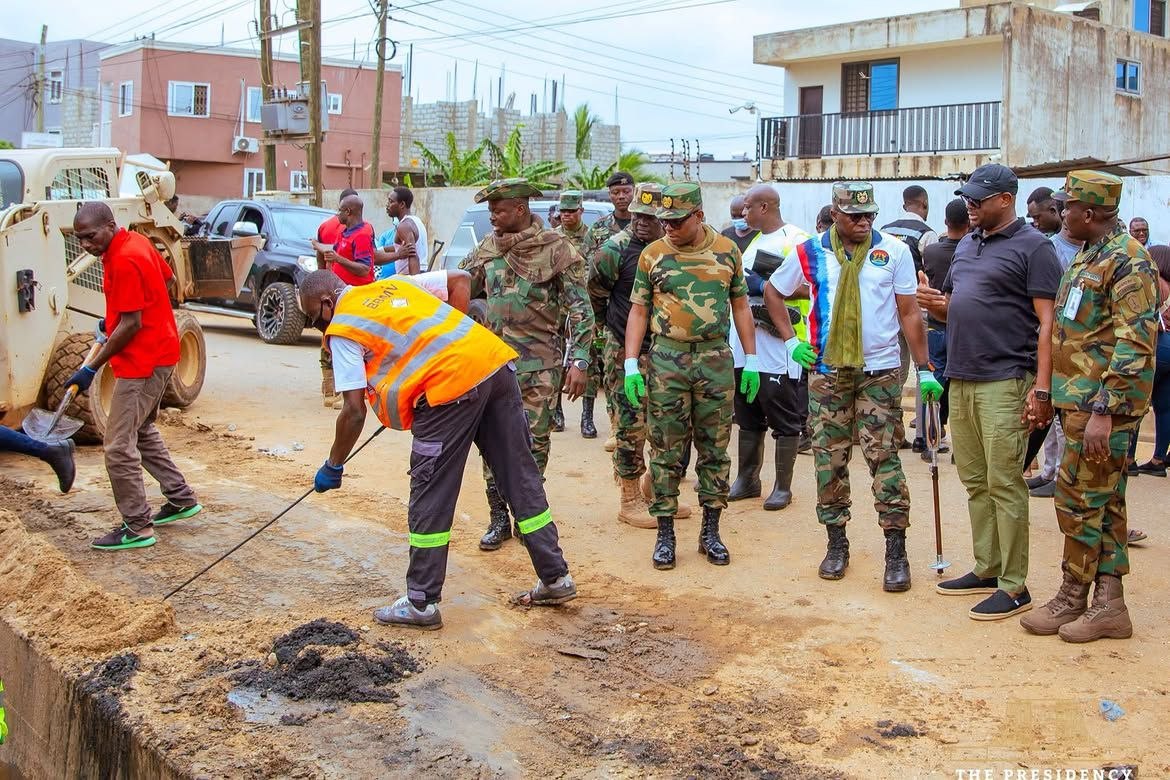
In response to the disaster, the Government, through the Post-Flood Mitigation Committee, declared Friday, 10 July, and Saturday, 11 July 2026, as National General Cleaning Days across the seven regions affected by the floods. The exercise, held under the theme “Our Actions, Our Future: Cleaning Ghana after the Floods,” sought to mobilise citizens, institutions and local authorities to clear debris, desilt drains and restore sanitation in communities impacted by the floods.
The two-day exercise brought together personnel from the security services, Metropolitan, Municipal and District Assemblies (MMDAs), waste management companies, public institutions, businesses and thousands of volunteers. On the first day, government agencies and security personnel led the clean-up, while residents joined the effort on the second day to help restore their communities.
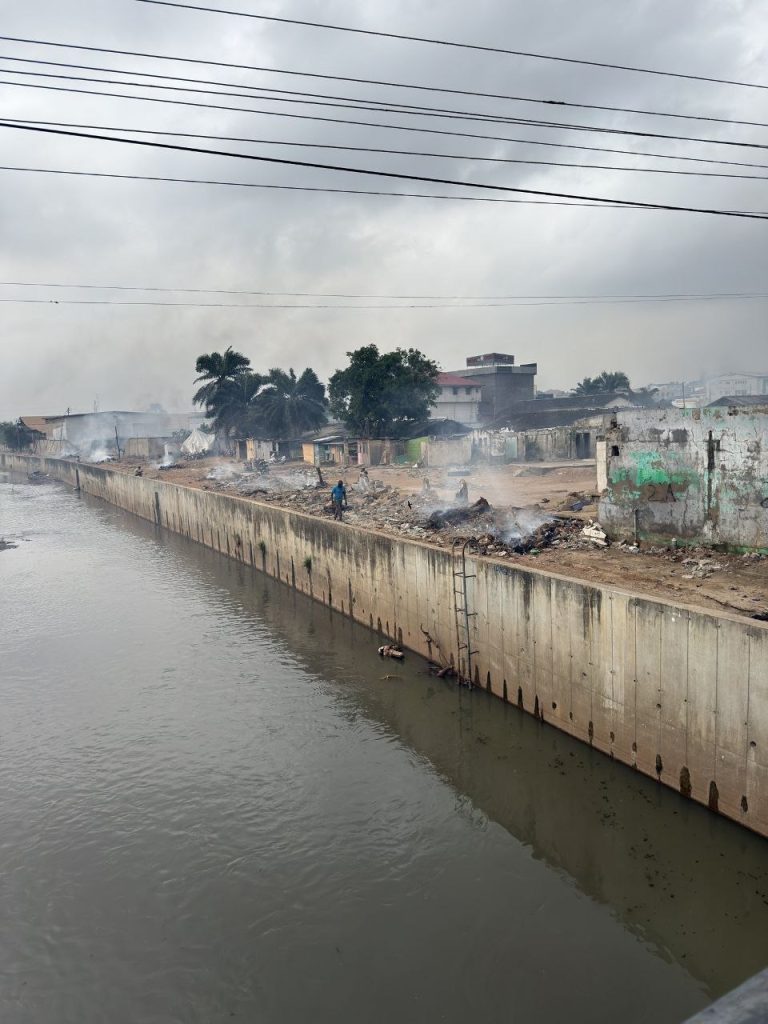
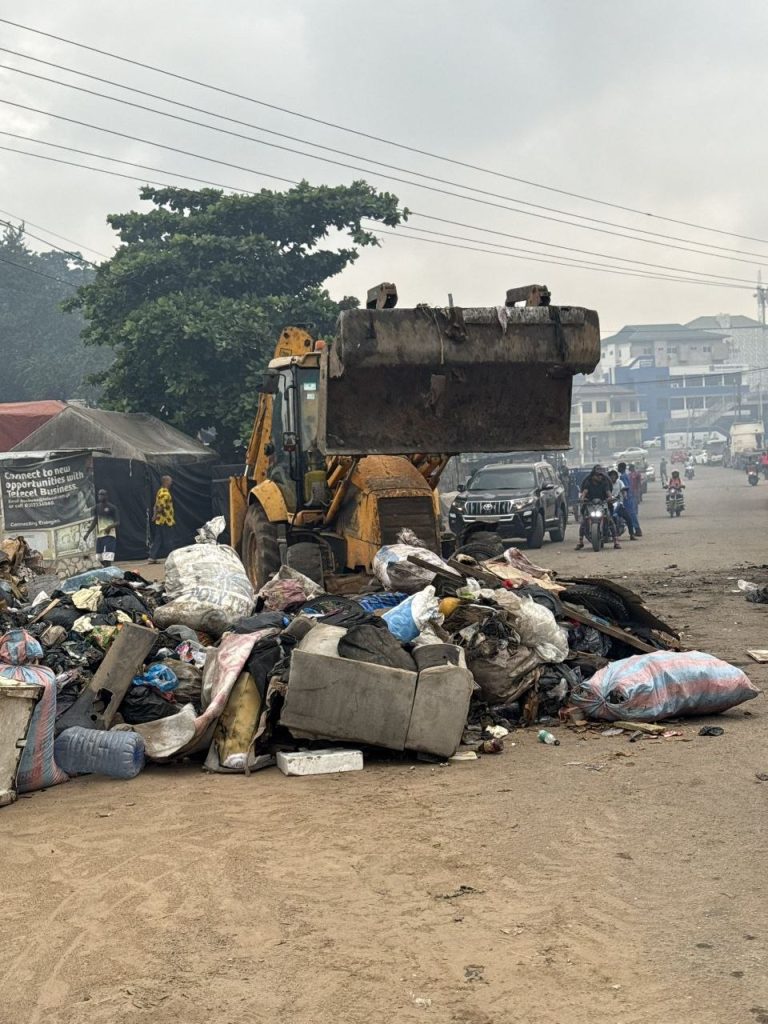
President John Dramani Mahama and Vice President Professor Jane Naana Opoku-Agyemang also participated in the exercise, joining residents in flood-affected communities in Accra. Their participation underscored the government’s message that environmental sanitation is a shared national responsibility requiring collective action from both leaders and citizens. Across the affected regions, volunteers worked tirelessly to desilt choked drains, remove accumulated waste, clear sand and debris from roads, disinfect public spaces and restore markets, lorry parks and other communal areas. Authorities believe these immediate interventions are critical in reducing the risk of further flooding as the rainy season continues.

The clean-up exercise comes in the wake of floods that exposed Ghana’s longstanding urban planning and sanitation challenges. Blocked drainage systems, indiscriminate waste disposal, rapid urbanisation and construction on waterways have repeatedly contributed to flooding in many parts of the country. Environmental experts have also warned that climate change is increasing the frequency and intensity of extreme rainfall events, making cities like Accra more vulnerable to flood disasters.
Government officials described the exercise as more than a routine sanitation campaign. It forms part of broader efforts to strengthen flood resilience and encourage behavioural change among citizens. Authorities stressed that preventing future disasters will require sustained environmental stewardship, proper waste management, enforcement of building regulations and continuous investment in drainage infrastructure.
Beyond restoring physical infrastructure, attention is also turning to the humanitarian needs of affected families. Many households continue to recover from the loss of personal belongings, damaged businesses and disrupted livelihoods. Community organisations, faith-based groups and volunteers have stepped in to provide relief items, food, clothing and emotional support to those affected.
Environmental advocates say the aftermath of the floods presents an opportunity for Ghana to rethink its approach to disaster preparedness. Rather than reacting only after disasters occur, experts are calling for stronger investment in early warning systems, improved urban planning, routine desilting of drains and greater public education on environmental responsibility.
The Ghana Journalists Association (GJA) has also commended the government’s initiative, describing the clean-up exercise as timely and necessary while urging authorities to sustain sanitation efforts beyond emergency responses. The Association noted that maintaining clean communities throughout the year will be essential to reducing the country’s recurring flood challenges.
While the two-day clean-up exercise marked an important milestone in Ghana’s recovery, many believe it should serve as the beginning of a long-term national commitment rather than a one-off response. Keeping drains free of waste, protecting wetlands, enforcing environmental laws and promoting responsible waste disposal will require the collective effort of government, businesses, civil society organisations and every citizen.
The recent floods have once again highlighted the devastating consequences of poor sanitation and climate vulnerability. However, they have also demonstrated the resilience of Ghanaian communities, whose willingness to come together during difficult times continues to inspire hope.
As communities rebuild and normal life gradually resumes, the challenge now is to ensure that the lessons from this disaster translate into lasting action. A cleaner environment, better planning and stronger climate resilience will not only reduce the impact of future floods but also help create healthier, safer and more sustainable communities for generations to come.

Leave a Reply