

A Kenyan government investigation has uncovered disturbing evidence of falsified medicines and substandard medical products circulating in Kenya, raising fresh concerns over patient safety and the country’s healthcare system.
The findings, released by the Pharmacists and Poisons Board (PPB), reveal that fake antiretroviral drugs used to prevent HIV infection, counterfeit HIV rapid test kits, falsified blood thinners used during dialysis and fake Viagra have all been detected in the Kenyan market.
Health experts warn that the dangerous products could contribute to treatment failure, antimicrobial resistance, misdiagnosis and even death.
The findings were unveiled during the launch of the Kenya National Action Plan on Substandard and Falsified Medical Products, where regulators and health leaders called for stronger surveillance and tougher action against illegal traders.
Dr Edward Abwao, Head of Post Market Surveillance at PPB, said one case involved a kidney patient in Kilifi whose life was nearly lost after being given a falsified blood thinner during dialysis.
According to Dr Abwao, a vigilant nurse noticed that the patient’s blood was clotting instead of flowing as expected during the procedure.
“A nurse noted that blood was clotting and immediately reported. She stopped the procedure and gave a different medicine,” he said.
The matter is currently before the courts.
The regulator also expressed concern over falsified pre-exposure prophylaxis (PrEP) medicines used to prevent HIV infection. Fake versions of the drugs could leave users unprotected, increase the risk of treatment failure and contribute to drug resistance.
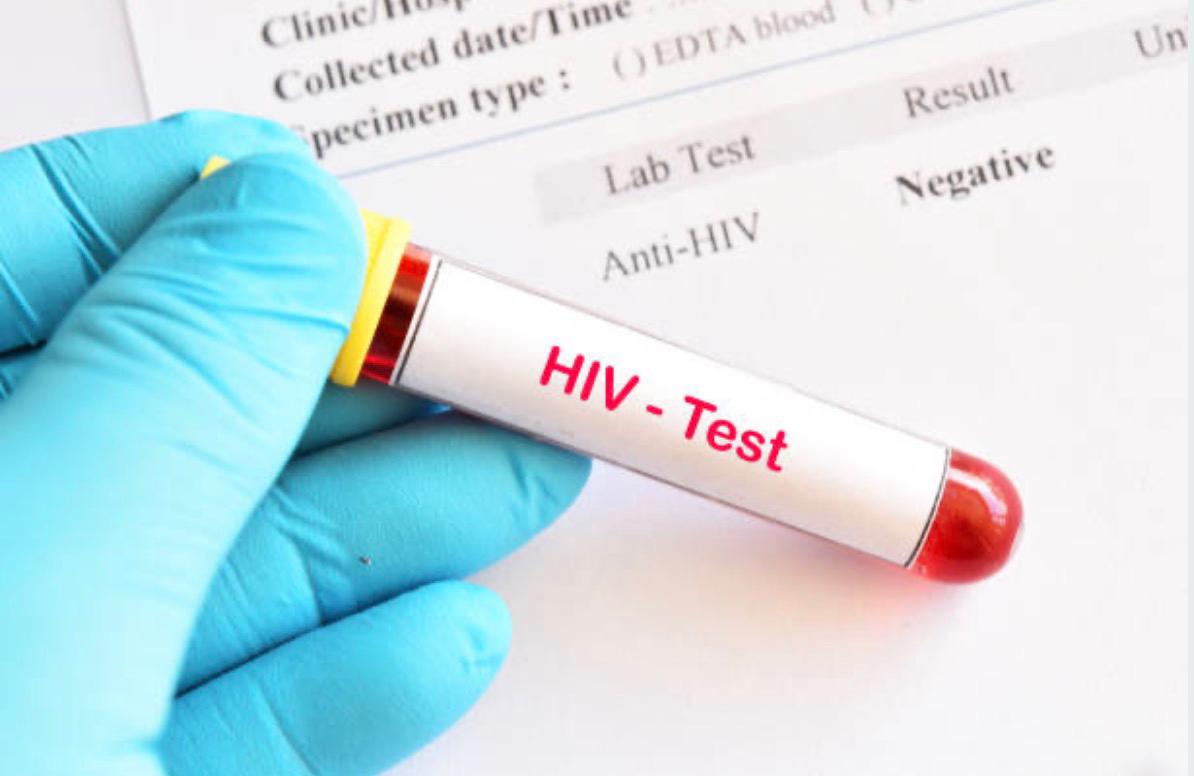
Counterfeit HIV rapid test kits were also flagged as a serious public health threat because they can produce inaccurate results, leading to missed infections, unnecessary treatment or delayed care.
Fake blood thinners pose another major danger, with the potential to cause severe bleeding, organ damage and death.
Men have not been spared either.
Dr Abwao warned that falsified Viagra tablets may be ineffective or contain harmful ingredients that could expose users to serious health risks.
“Men are in danger. This was discovered in Kenya,” he said.
The findings shocked leaders attending the launch, including Council of Governors representative and Tharaka Nithi Governor Muthomi Njuki.
“I am shocked to learn we’ve fake HIV test kits in the market,” he said.
Njuki added that patients were losing their lives not because treatment was unavailable, but because they had been failed by the system.
“Most of the human lives lost is because not they did not have medicine or money, but simply because the system failed them,” he said.
The governor also raised concern over reports of substandard emergency contraceptive pills, commonly known as P2, saying fake products could be contributing to unintended pregnancies.
“I have come across this in my county. We are having many fake P2 in the market. This means we’ve our girls getting unwanted pregnancies because the system has failed them,” he added.
The National Empowerment Network of People Living with HIV/AIDS in Kenya (NEPHAK) described the circulation of fake HIV medicines and testing products as deeply worrying.
Executive Director Nelson Otwoma said false HIV results have already had devastating consequences for some patients.
He cited a case in which an individual was wrongly diagnosed as HIV positive, placed on treatment and later sought justice in court.
According to Otwoma, reports of counterfeit HIV products have also affected confidence in testing services. He said about 60 per cent of people living with HIV choose to undergo repeat testing after hearing such reports, increasing pressure on testing resources, while around 20 per cent of those already receiving treatment stop taking their medication after losing trust in the system.
“Yes, we have had reports of fake HIV products. With such, people lose trust in HIV testing and nobody goes to test,” he warned.
PPB data shows that between 2021 and 2025, the regulator received 1,413 product quality complaints, leading to the recall of 99 medical products.
The board also recorded 32,833 reports of adverse drug reactions between 2011 and 2025 and issued 18 alerts on suspected falsified medicines between 2020 and 2026.
Officials said the increase in reports reflects stronger surveillance and reporting systems rather than a rise in unsafe products.
Dr Abwao noted that counterfeit medical products remain a global challenge because they are manufactured and distributed across international supply chains.
He pointed to several international incidents, including the deaths of more than 60 children in The Gambia in 2022 after consuming contaminated syrups, over 180 reported deaths in Cameroon linked to falsified COVID-19 vaccines and repeated seizures of fake malaria medicines and antibiotics in Nigeria.
Health Cabinet Secretary Aden Duale said the government has tightened regulation of medical imports as part of wider health sector reforms.
“Since October 2025, no single parallel importation has been approved,” he said.
Duale said PPB has strengthened market surveillance, increased stakeholder engagement and improved its response to unsafe medical products.
Since January 2025 alone, the regulator has coordinated 58 recalls of substandard medical products and issued 14 rapid public alerts on falsified medicines.
“You either adhere to law, or look for another country to do business,” Duale warned illegal traders.
Drawing a comparison between unsafe fuel and counterfeit medicines, he added: “If fuel is found to be bad, it loses its engine. But when a wrong product gets to a patient, they die.”

Leave a Reply