

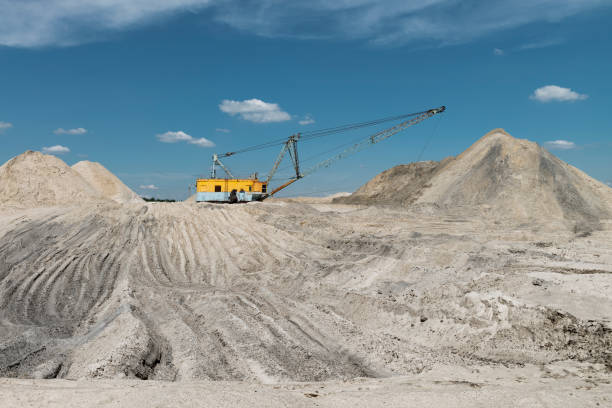
For generations, the hills of Shurugwi in Zimbabwe’s Midlands province stood as symbols of beauty, culture and livelihood. Families gathered at the Boterekwa Escarpment for picnics, visitors travelled from across the country to admire the scenery at Wolfshall Pass, and communities held traditional ceremonies at the nearby Dunraven Falls.
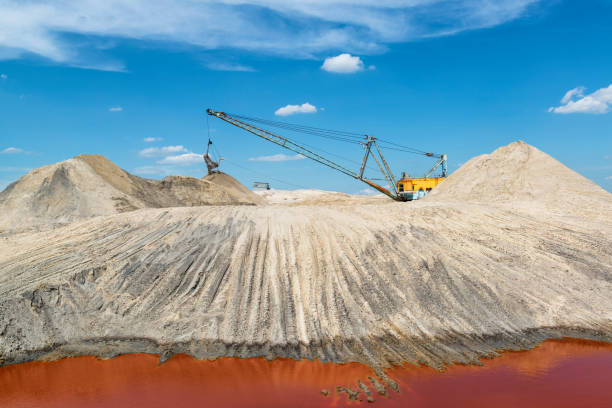
Today, many residents say that landscape is disappearing.
What was once known for its rolling hills and indigenous forests has become the centre of an escalating environmental and social crisis that residents believe is reshaping the mining town beyond recognition.
Since December 2021, when Chenxi Investments (Private) Limited, also known as Chengxi, began open-cast gold mining in the area, large sections of the Boterekwa Escarpment have been transformed by heavy machinery. Satellite imagery has confirmed that about 12 square kilometres of natural vegetation have been cleared, altering one of Shurugwi’s most recognisable landmarks.
The change extends beyond the loss of scenery. Residents, environmental groups and community leaders say the impact is being felt in rivers, homes, farms and sacred sites that have supported generations.
The Shurugwi Residents and Ratepayers Association describes the destruction of Boterekwa as a national loss.
“Boterekwa is a national treasure. People from across Zimbabwe came to see the scenery and enjoy picnics, but that beauty is being destroyed,” said the association’s spokesperson, Pardon Machocho.
Across the mining area, excavators, drilling equipment and dump trucks operate throughout the day as hills are flattened to access gold deposits. Indigenous trees, including fruit-bearing muzhanje trees that provided both food and income for local families, have been buried beneath mining waste.
Environmental campaigners warn that the damage reaches far below the surface.
The hills surrounding Shurugwi play an important role in replenishing underground water sources. As mining continues, hydrologists and environmental advocates fear the long-term consequences for the area’s water security.
Farai Maguwu, executive director of the Centre for Natural Resource Governance (CNRG), believes the physical changes to the landscape could trigger further environmental disasters.
“I wouldn’t be surprised if this type of mining results in landslides soon,” he cautioned. “It’s only a matter of time before nature strikes back.”
Unlike the small-scale artisanal mining that previously existed around Boterekwa, community leaders argue that the current operations have transformed the scale of extraction.
“Chenxi’s massive operations, backed by the first family, are entirely different,” said Shurugwi Residents and Ratepayers Association chairperson Bulle Madzitire.
Concerns over toxic waste
One of the greatest concerns raised by residents centres on the company’s gold extraction process.
Chenxi uses heap leaching, a method in which crushed ore is sprayed with a sodium cyanide solution to separate gold and silver from rock. While widely used in mining, the process generates toxic waste that requires strict containment to prevent contamination of surrounding land and water.
Community members allege that runoff from the leaching process is finding its way into the Mutevekwi River and other streams around Boterekwa.
According to the Centre for Natural Resource Governance, villages along the Boterekwa River can no longer safely depend on the water for domestic or agricultural use because of slime spillages.
Maguwu warned that rainfall can wash cyanide and other toxic substances into rivers and dams, increasing environmental and public health risks.
Sodium cyanide is highly toxic and, when not properly managed, can harm aquatic ecosystems and pose serious health risks to people through direct exposure or contaminated water sources.
Residents also report worsening air pollution caused by dust from open-cast mining and constant movement of heavy vehicles.
They say blasting operations regularly reduce visibility, while dust settles inside homes and across surrounding communities.
Children are considered particularly vulnerable because prolonged exposure to silica-rich dust has been linked to silicosis, an incurable lung disease.
Machocho says the community is already witnessing worrying health trends.
“We have buried about eight community members who I personally know, recently from silicosis, which is a worrying trend,” he said.
Residents say there has been no comprehensive public health assessment to determine the full impact of mining activities on surrounding communities.
Homes under pressure
For many residents, however, the greatest fear lies beneath their feet.
Powerful explosions used during mining are carried out both day and night, with residents comparing the experience to repeated earthquakes.
Many say ceilings have collapsed, windows have shattered and household items have been thrown from shelves during blasting.
Investigations have identified at least 17 residential areas affected by the explosions, including Makusha, Ironsides, Ironkop, Dark City, Feny Creek, MacKinnon Kopje, Tebekwe, Camperdown and Wanderer.
Around the town centre, including areas near Leilano Lodge and Selukwe Primary School, numerous houses display visible cracks that homeowners attribute to the mining blasts.
The risks are compounded by Shurugwi’s history as an old mining town.
Beneath many neighbourhoods lies a network of ageing underground mine tunnels. Residents and community groups fear that vibrations from surface blasting could destabilise these structures, increasing the possibility of ground collapse.
In the Wanderer area, residents say they have observed cracks stretching for about two kilometres, raising concerns about potential structural failure.
“Disaster is looming in Shurugwi,” Machocho warned.
Communities cut off from ancestral land
Residents also say access to land they have used for generations has become increasingly restricted.
According to community members, Chenxi has deployed armed guards and dogs around its mining concessions, preventing villagers from collecting wild fruits and mushrooms, grazing livestock or visiting sacred cultural sites such as Dunraven Falls.
Many families say the restrictions have disrupted livelihoods built around forest products and communal grazing while also severing long-standing cultural traditions.
One resident, who requested anonymity, described the emotional toll.
“They have desecrated places we hold sacred, dug up graves, and destroyed mountains; nothing remains for us to cherish.”
Relations between residents and company security have also been marked by confrontation.
In September 2024, Emmanuel Geje, a 20-year-old resident, was shot in the right leg by a Chinese employee at Chenxi’s Dunraven mining claim.
Geje said he was passing through the area at the time.
The company contributed US$5,000 towards his medical treatment but did not provide a formal explanation for the shooting. Chenxi’s general manager maintained that Geje had been trespassing and said the guard acted in self-defence. No criminal charges have been brought in connection with the incident.
Questions over accountability
While regulatory agencies have reportedly issued fines, ordered work stoppages and documented illegal activities, residents say mining operations have continued uninterrupted.
Critics argue that the company’s close links to influential figures within government have weakened regulatory enforcement, allowing operations to proceed despite repeated concerns raised by communities and environmental organisations.
For many people in Shurugwi, the issue extends far beyond one mining project.
They believe it reflects broader questions about governance, environmental protection and whether communities living alongside mineral wealth are receiving protection equal to the value extracted from the land beneath their feet.

Leave a Reply