

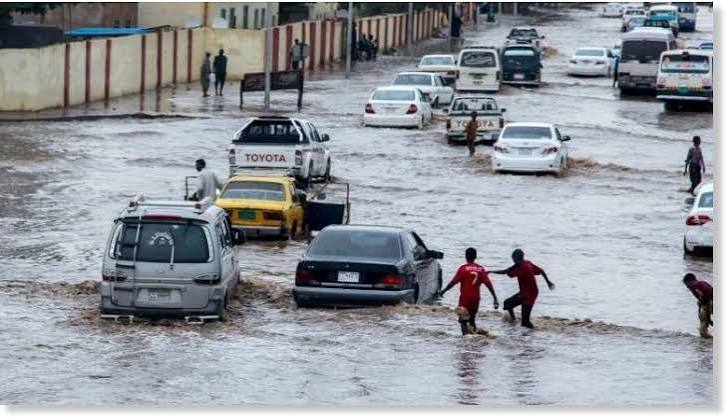
The heavy rains that battered Greater Accra and parts of southern Ghana on June 29, 2026, will be remembered as one of the country’s most devastating flood events in recent years. Entire communities were submerged, major highways became impassable, businesses shut their doors, electricity infrastructure was affected, and thousands of residents were left stranded as emergency services raced against time to save lives. According to official reports, at least 12 people lost their lives, seven others were reported missing, and more than 7,700 households were affected by the disaster.
The tragedy is another painful reminder that climate change is no longer a future concern, it is a present-day reality. While heavy rainfall has always been part of Ghana’s rainy season, scientists agree that climate change is making extreme weather events more frequent and more intense. Warmer atmospheric temperatures allow the air to hold more moisture, leading to heavier downpours over shorter periods. When these storms collide with poorly planned urban development, blocked drainage systems, and the destruction of wetlands, the result is often catastrophic flooding.
Across Accra, communities including Kaneshie, Alajo, Mallam, Achimota, Weija, Adabraka, Circle, Spintex, and Tema experienced severe flooding. Homes were inundated, vehicles were swept away, and countless families lost personal belongings and sources of income. Floodwaters also disrupted transportation, preventing many workers and students from reaching their destinations while emergency responders struggled to access some of the worst-hit areas.
The impact extended beyond damaged property. Floodwaters affected key electricity infrastructure, forcing the temporary shutdown of substations to protect public safety and leading to power outages in several communities. Businesses experienced operational disruptions, and public services were temporarily interrupted, highlighting how climate-related disasters can ripple across every sector of the economy.
Although climate change is a major factor behind the increasing intensity of rainfall, it is not the only cause of Ghana’s recurring floods. Environmental experts have long warned that poor waste management, illegal construction on waterways, inadequate drainage infrastructure, and rapid urbanisation continue to increase flood risks. Plastic waste and other debris often block drains, preventing rainwater from flowing freely into rivers and the sea. At the same time, wetlands that naturally absorb excess water are disappearing due to unregulated development.

These human activities are turning heavy rainfall into humanitarian disasters. Every rainy season, the same communities find themselves underwater, raising difficult questions about urban planning, environmental enforcement, and disaster preparedness.
The human cost of flooding extends far beyond the immediate destruction. Families lose their homes, children miss school, businesses suffer financial setbacks, and farmers watch crops disappear beneath floodwaters. Standing water also increases the risk of disease outbreaks, including cholera and malaria, placing additional pressure on healthcare systems already serving vulnerable populations.
Yet amid the devastation, stories of courage and solidarity continue to emerge. Firefighters, military personnel, police officers, volunteers, and local residents worked tirelessly to rescue stranded families and provide emergency assistance. The Ghana National Fire Service reported rescuing hundreds of people during the emergency response, demonstrating the importance of coordinated disaster management during times of crisis.

The floods have also renewed national conversations about long-term climate resilience. Following visits to affected communities, government officials announced plans to strengthen flood mitigation measures, including removing structures obstructing waterways, providing relief to victims, and improving drainage systems. While these interventions are necessary, experts argue that sustainable solutions will require consistent enforcement of environmental regulations, investment in resilient infrastructure, restoration of wetlands, and improved waste management.
Technology can also play an important role in reducing future disasters. Early warning systems, weather forecasting, satellite monitoring, and digital flood mapping can help authorities predict flood risks and alert communities before disaster strikes. Combined with public education and stronger local planning, these innovations could significantly reduce the loss of life and property.
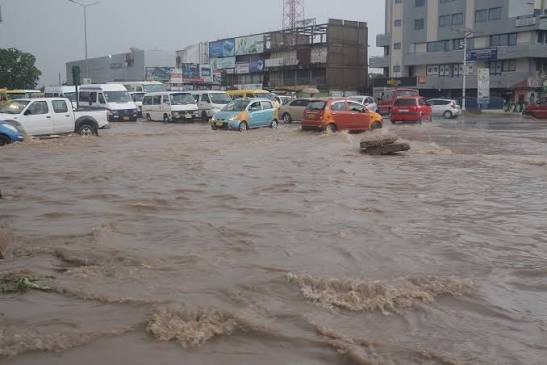
Ghana’s June 29 floods should not be viewed as an isolated event. They are part of a broader pattern of climate-related disasters affecting countries across Africa. Despite contributing only a small fraction of global greenhouse gas emissions, African nations continue to bear some of the world’s most severe climate impacts. This underscores the urgent need for greater international climate financing while strengthening local adaptation efforts.
Every flood should serve as a lesson, not only about the power of nature but also about the consequences of delayed action. Climate resilience begins long before the rains arrive. It starts with protecting natural ecosystems, investing in sustainable infrastructure, enforcing planning regulations, and encouraging every citizen to play a role in keeping waterways free from waste.
The waters that swept through Accra on June 29 may eventually recede, but the lessons they leave behind must not. If Ghana is to build safer and more resilient communities, climate action can no longer be seasonal. It must become a national priority, driven by collaboration between government, businesses, civil society, and citizens. The cost of inaction is measured not only in damaged roads and flooded homes, but in lives that could have been saved.

Leave a Reply