


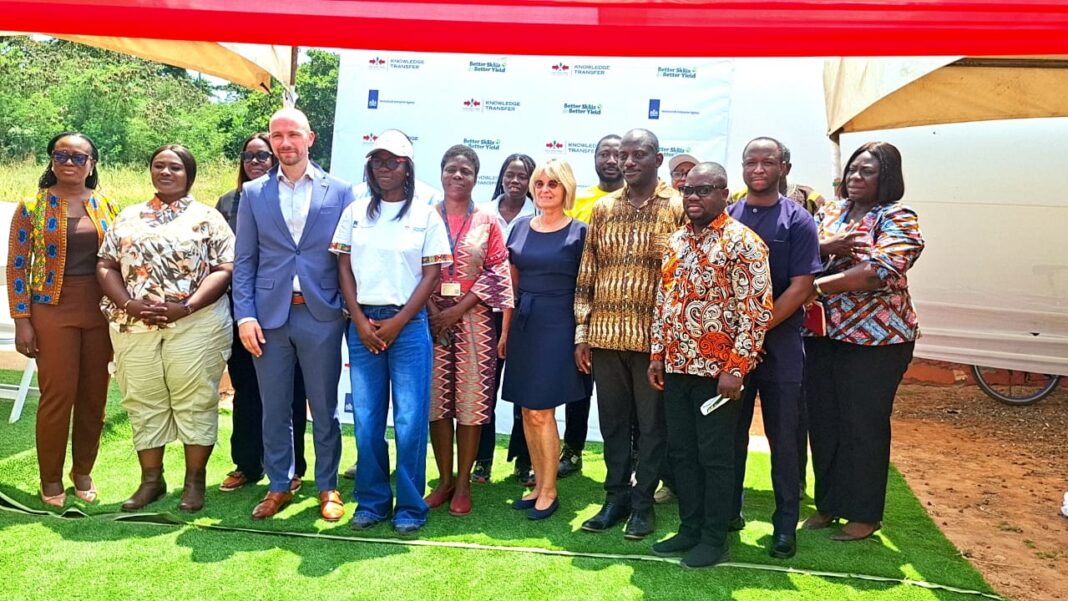
The East-West Seed Knowledge Transfer Foundation (EWS-KT) has marked its 10th anniversary, celebrating a decade of equipping smallholder vegetable farmers with practical agricultural skills to improve productivity, increase incomes and strengthen food security.
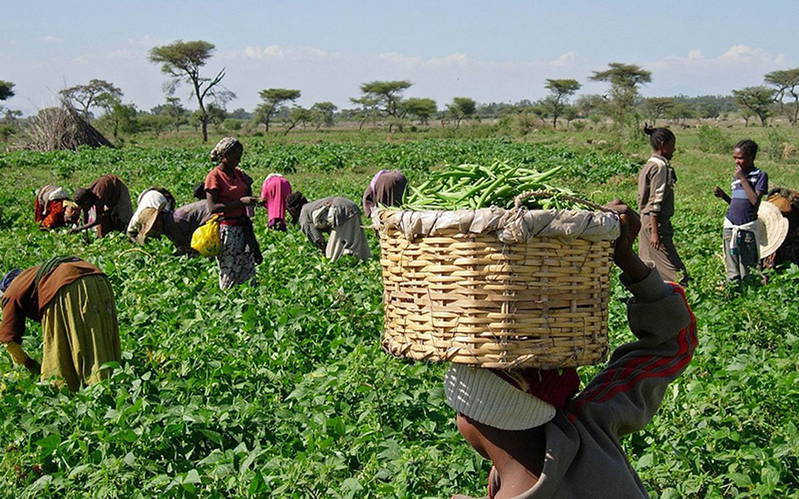
The independent non-profit organisation focuses on helping farmers make better use of quality seeds and agricultural inputs through hands-on training, improved farming techniques and stronger connections to markets. Its approach recognises that access to good seeds alone is not enough to guarantee successful harvests if farmers lack the technical knowledge to cultivate crops effectively.
Speaking during the anniversary celebration, Jemima Aku Djah, Country Manager of EWS-KT in Ghana, explained that the foundation was established to address the knowledge gap preventing many smallholder farmers from achieving better yields and earning higher returns from their investments.
According to Djah, the foundation works directly with farming communities to develop technical expertise, introduce improved agricultural practices and support market development. Demonstration farms and learning sites provide practical spaces where farmers can learn and apply techniques suited to their local conditions.
The foundation’s work extends across Africa and Asia, with activities in countries including Ghana, Nigeria, Tanzania, Uganda, South Sudan, Bangladesh, Cambodia, India, Myanmar and the Philippines.
Rather than relying on expensive technology, EWS-KT promotes practical and affordable methods using locally available materials. Techniques involving rice straw, bamboo and other readily accessible resources can help farmers improve cultivation practices, manage production costs and make more efficient use of their land.
The foundation also develops training materials in collaboration with Wageningen University and Research and other agricultural experts. These resources are available in multiple languages through its GrowHow platform, helping farmers and agricultural practitioners access knowledge on improved production techniques.
EWS-KT had set a target of reaching one million farmers between 2021 and 2025 and reported training more than 900,000 farmers towards that goal, according to the anniversary report published by AgricToday.
In Ghana, the foundation has trained approximately 30,000 smallholder vegetable farmers since beginning its training activities, with two learning centres and demonstration farms supporting its work across five regions.
Its activities focus on improving farming skills while helping farmers understand the commercial side of agriculture. Training covers crop selection, soil preparation, seedling production, water conservation, nutrient management, pest control and farm business planning.
The foundation also recognises that higher production does not automatically translate into higher incomes if farmers cannot find reliable buyers. Connecting growers with markets is therefore an important part of its approach, helping them plan production around demand and improve their opportunities to sell harvested produce.
The anniversary comes as the foundation continues expanding practical vegetable farming training in Ghana. A four-year project supported by the Embassy of the Kingdom of the Netherlands in Accra is training smallholder farmers in the Bono, Bono East, Ahafo, Ashanti and Upper East regions. The initiative seeks to improve farmers’ profitability by promoting sustainable production methods and treating vegetable farming as a viable business.
In October 2026, the foundation also opened a learning farm at the University of Ghana in Accra to provide practical training opportunities for students and farmers, support internships and demonstrate improved vegetable production techniques.
These efforts reflect the growing importance of agricultural knowledge transfer in helping farmers respond to production challenges, manage costs and improve their livelihoods.
As climate pressures, changing market conditions and food security concerns continue to affect agricultural communities, initiatives that combine technical training with access to improved inputs and dependable markets can help smallholder farmers build more resilient businesses.
EWS-KT’s decade of work highlights the role of practical agricultural education in strengthening food systems and improving rural livelihoods. Its continued expansion in Ghana and other countries will depend on sustained partnerships, effective training and the ability to help farmers translate new knowledge into measurable improvements in productivity and income.






Leave a comment