

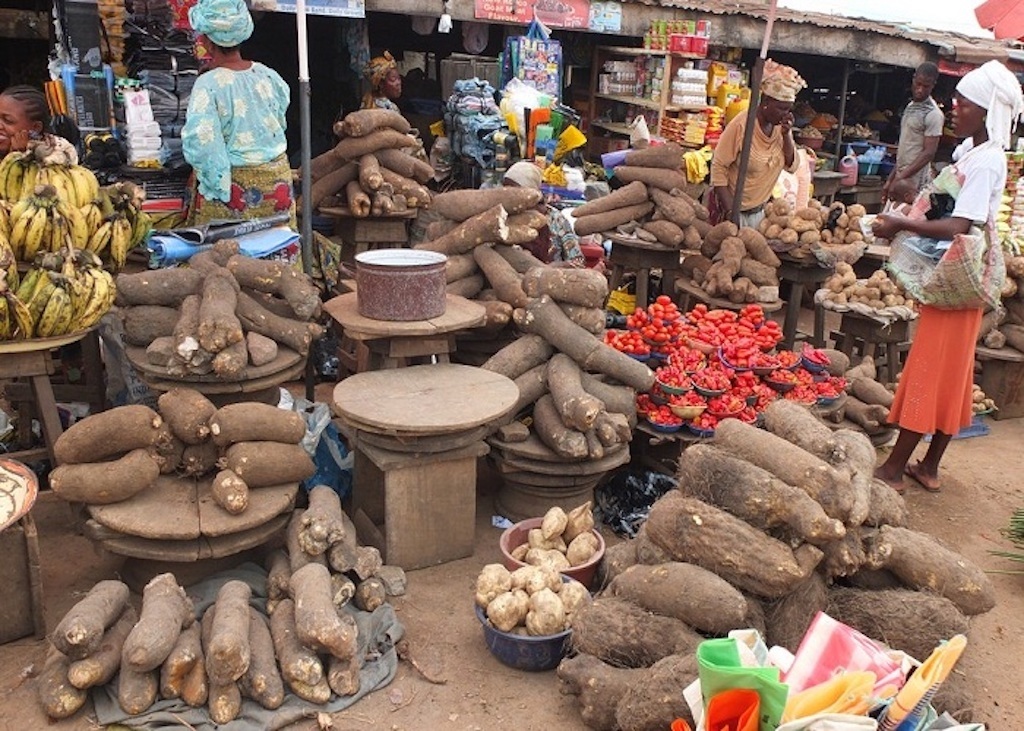
An estimated 36.3 million Nigerians are facing crisis-level food insecurity or worse during the June to August 2026 lean season, as conflict, displacement, economic pressures and climate-related shocks continue to threaten access to food across the country.
The figure, reported by the Food and Agriculture Organization of the United Nations (FAO), represents approximately 17 per cent of the population covered by the latest assessment. It is also higher than the more than 30.6 million people estimated to have faced similar conditions during the corresponding period in 2025.
FAO attributes the worsening situation largely to persistent insecurity, economic pressures, displacement and disruptions to livelihoods and food markets.
Northern Nigeria remains particularly affected, as conflict and insecurity continue to disrupt farming activities, restrict access to farmland and markets, and undermine rural livelihoods. The agency estimates that approximately 3.7 million people are internally displaced across the country, with large concentrations in conflict-affected northern states.
The World Food Programme (WFP) has also warned of widespread food insecurity, projecting that nearly 35 million Nigerians could face severe food insecurity during the 2026 lean season.
Northern Nigeria Bears the Brunt
The North-East remains one of the areas hardest hit by the crisis. Nearly 5.8 million people across Borno, Adamawa and Yobe states are projected to experience severe food insecurity, according to WFP.
Children and women are among those particularly vulnerable to the nutritional consequences, including inadequate diets and the risk of malnutrition.
Insecurity has made it difficult for many farming households to cultivate their land, harvest crops and transport produce to markets. Displacement has also disrupted livelihoods, leaving families with fewer opportunities to earn income and purchase food.
These challenges are compounded by rising economic pressures, which have weakened household purchasing power and made food increasingly difficult for vulnerable populations to afford.
Climate Shocks and Weak Food Systems Deepen the Crisis
Nigeria’s food-security challenge extends beyond agricultural production. Although improving productivity remains essential, the availability of food does not necessarily guarantee that households can afford or access it.
Floods, dry spells and other climate-related shocks threaten crop production and agricultural livelihoods. At the same time, inadequate storage facilities, transportation challenges, irrigation constraints and inefficient local markets can contribute to post-harvest losses and increase the cost of moving food from farms to consumers.
For farming communities affected by insecurity, these challenges can be particularly severe. Farmers may be unable to reach their fields or transport harvested produce safely, while disruptions to supply chains can limit food availability in local markets.
The combination of these pressures highlights the need to strengthen the entire food system, from agricultural production and storage to transportation, distribution and household access.
Coordinated Action Needed to Strengthen Food Security
Development agencies and agricultural stakeholders have emphasised the importance of a coordinated response that combines agricultural investment with improved rural security, climate resilience and stronger food distribution systems.
Expanding irrigation infrastructure, improving storage facilities, strengthening transportation networks and supporting climate-resilient farming could help reduce production losses and improve the movement of food to markets.
Targeted assistance for vulnerable households will also remain essential, particularly in communities affected by conflict, displacement and livelihood disruptions.
Measures that support farmers, improve market access and strengthen household purchasing power can complement emergency food assistance while helping communities become more resilient to future shocks.
Beyond Producing More Food
With tens of millions of Nigerians facing crisis-level food insecurity during the 2026 lean season, the figures underscore the scale of the country’s food-security challenge.
Addressing the crisis will require more than increasing agricultural production. It will also depend on ensuring that farmers can cultivate their land safely, food reaches markets efficiently, households have the resources to purchase nutritious meals, and communities are better protected against economic and climate-related shocks.
Building resilient food systems capable of keeping food available, affordable and accessible will be essential to reducing hunger and protecting vulnerable populations across Nigeria.

Leave a Reply