

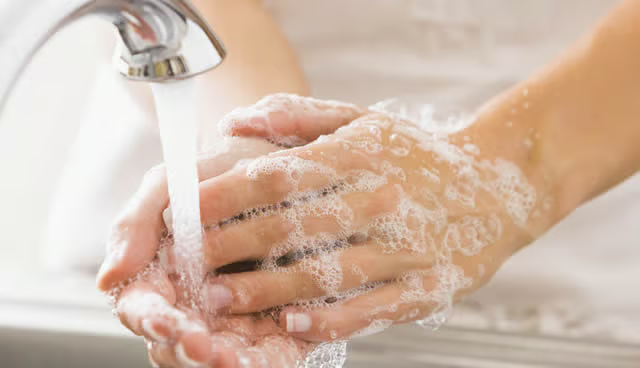
The Safe Hands Foundation has called on governments, corporate organisations and other stakeholders to invest in water and hygiene facilities in public schools across Rivers State, Nigeria, warning that the lack of running water is making it difficult for pupils and teachers to maintain proper hygiene.
The appeal was made by the foundation’s founder, Dr Okolie Okechukwu, during a workshop in Port Harcourt to mark the 2026 Global Handwashing Day, celebrated under the theme “Be a Handwashing Hero”.
According to the foundation, several public schools in Rivers State lack reliable water supplies, preventing students and teachers from practising essential hygiene measures, including washing their hands with soap and clean water.
Dr Okechukwu said the problem extends beyond inadequate infrastructure, noting that some schools could restore their water supply through relatively minor repairs and improvements.
He explained that leaking water tanks, broken pumping machines and a lack of electricity to operate water pumps were among the challenges affecting water access in some schools. He estimated that restoring water supply in certain facilities could cost between ₦200,000 and ₦500,000.
The foundation argued that addressing these issues would help improve school hygiene conditions without necessarily requiring extensive infrastructure reconstruction.
During the event, Dr Okechukwu announced the launch of the foundation’s water access project, which aims to provide students in Port Harcourt and other parts of Rivers State with reliable access to running water for handwashing and general hygiene.
The initiative will seek partnerships with government agencies, private individuals and corporate organisations to provide potable water in schools and promote good hygiene practices among students.
He emphasised that access to clean water and proper sanitation should be treated as an essential requirement for children’s health, dignity and well-being.
Proper handwashing with soap is widely recognised as one of the most effective and affordable ways to reduce the spread of infections and prevent diseases associated with poor hygiene. In school environments, access to functional handwashing facilities can help protect pupils and teachers from preventable illnesses while promoting healthier learning conditions.
The lack of these facilities can also undermine hygiene education because students may be encouraged to wash their hands without having access to the water and soap needed to practise what they learn.
Dr Okechukwu therefore urged government agencies, educational institutions, civil society organisations, corporate entities and community leaders to work together to prioritise hygiene infrastructure and education across Rivers State.
He also encouraged students and young people to become hygiene ambassadors by promoting proper handwashing in their classrooms, homes and communities.
Community leader Sir Ben Ike similarly urged participants to take personal hygiene seriously, noting that proper handwashing before meals and at other critical times could help reduce the risk of illness.
Guest lecturer Prof. Golda Ekenedo also called on stakeholders to support hygiene advocacy during a presentation titled “Skills-Based Advocacy for Handwashing”.
The workshop highlighted the importance of combining public education with practical investments in water access and hygiene infrastructure. While awareness campaigns can encourage behavioural change, their impact may remain limited when schools lack functional taps, water storage systems, soap and designated handwashing stations.
The concerns raised by the foundation reflect wider challenges facing schools across Africa, where inadequate water, sanitation and hygiene facilities can affect children’s health, school attendance and learning experiences.
In Ghana, for instance, the government announced in May 2026 that all new school infrastructure projects would be equipped with water, sanitation and hygiene facilities. The announcement followed concerns about gaps in access to safe drinking water and adequate toilet facilities in schools.
The Safe Hands Foundation’s initiative seeks to address some of these challenges in Rivers State by mobilising support to restore water supplies and improve hygiene conditions in public schools.
Sustained collaboration between governments, school authorities, development partners and private organisations will be essential to ensure that facilities are installed, maintained and supplied with water consistently.
As schools continue to educate children about the importance of handwashing, the foundation is urging stakeholders to ensure that students have the necessary facilities to turn those lessons into everyday practice.

Leave a Reply