

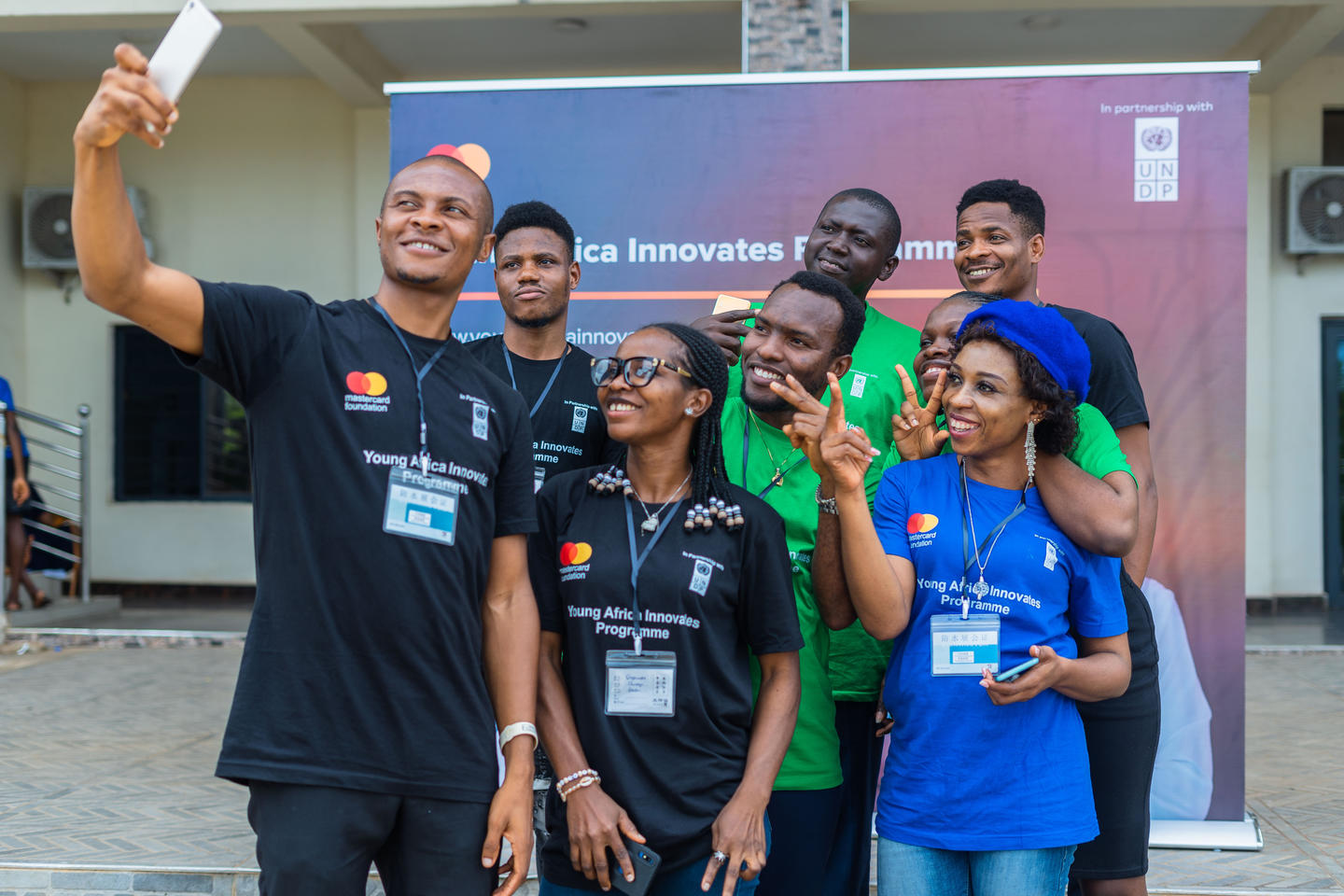
Youth-led innovators in Anambra State, south-eastern Nigeria, are developing digital solutions to modernise traditional commerce, improve access to essential services and create economic opportunities for underserved communities.
The innovators are addressing challenges across sectors including technology, agriculture, healthcare, financial services, manufacturing, education and renewable energy. Their initiatives focus on helping small businesses reach more customers, improving access to healthcare, reducing waste and creating employment opportunities, particularly for young people, women and persons with disabilities.
In agriculture and commerce, several innovators are developing platforms to connect producers directly with consumers and improve the movement of goods. Amarachi Ozulu is addressing the difficulties faced by rural farmers and small-scale manufacturers, including limited market visibility, poor distribution, inadequate record keeping and a lack of awareness of available funding opportunities.
Ebubechukwu Ejimone’s Baza platform seeks to reduce food waste by enabling farmers and producers to list fresh produce for sale, with quality checks, packaging and delivery helping connect them to consumers and retailers. Similarly, Edokwe Oby is developing a digital platform that connects farmers and manufacturers directly to end users, helping reduce dependence on middlemen and improve market access.
Prisca Ogonna’s AHIAOMA Digital Market Place is designed to support small and medium-sized enterprises through a digital marketplace incorporating 3D animation, local languages, cultural elements and a toll-free number for people without internet access or smartphones. The initiative aims to improve the visibility and sales of local businesses while creating employment opportunities for young people and women.
Other solutions focus on improving financial management and business operations. Obiora Cynthia’s Ndiafia application and USSD tool enables small business owners to track sales, expenses and inventory, generate reports and make informed decisions without requiring internet access or expensive accounting services. The platform is available in English, Pidgin and Igbo.
Nnamdi Ezeokolo’s Audio Biz Inventory Hub also seeks to help small-scale and wholesale traders maintain accurate inventory records, while Chidiegor Madu’s BIZBOOST platform automates workflows, centralises standard operating procedures and supports performance monitoring and compliance management for small and medium-sized businesses.
In the logistics sector, Okongwu Chinaza Ogechukwu’s Bloom Order platform aims to help small and medium-sized enterprises in south-eastern Nigeria ship goods more efficiently. The solution combines cargo pooling, regional warehousing in Onitsha, real-time tracking and transparent pricing to address import delays and improve the movement of goods.
Ramatou Diallo is tackling storage constraints through the PUP Mobile Warehouse, a flexible storage solution made from recycled plastic waste and other sustainable materials. Designed to be assembled, disassembled and relocated, the system offers businesses an alternative to conventional permanent warehouses while supporting waste reduction.
Healthcare is another important area of innovation. Angel Odenigbo is working to improve access to healthcare for small and medium-sized enterprises through tailored telehealth coverage, digital patient records, automated follow-up reminders, virtual consultations and wellness programmes.
Augustine Eze Agbo has developed an Internet of Things health monitoring system that uses a Raspberry Pi 4 device to monitor vital signs, including blood pressure, heart rate and body temperature. The system transmits data to doctors through a cloud platform and sends alerts when readings reach critical levels, offering a potential option for remote monitoring, particularly among rural and elderly patients.
In rural communities, Anijekwu Chinazam is focusing on healthcare challenges faced by older people, especially those aged 65 and above, who may experience mobility difficulties and isolation. The initiative highlights the importance of early detection and management of chronic conditions such as hypertension, diabetes, arthritis and ulcers.
Innovators are also developing solutions for people with disabilities and communities that face barriers to accessing essential services. Ikechukwu Christian’s AI-powered Assistive Camera App is designed to help visually impaired people recognise objects and faces, read printed and handwritten text aloud, identify currency denominations and navigate their surroundings with greater independence.
Ayezuba Vivian Uchechukwu, through the Albinism Health Care Foundation, is developing wearable technologies that alert users to harmful ultraviolet radiation. These include a UV Ray Wristband and UV Shield badge linked to a mobile application. The initiative also includes the development of specialised sun protection products for people with albinism and sensitive skin.
In women’s health and safety, Chiamaka Ihunko’s WomenWise combines a mobile application with a wearable device designed to monitor menstrual cycles and fertility and provide emergency alerts through a panic button with GPS functionality. The system is designed to operate both online and offline, helping address connectivity barriers.
Education and creative enterprise are also benefiting from inclusive innovation. Awugosi Victory Uche’s Unique-U platform uses mirror writing and storytelling as tools for cognitive development and personal growth. Meanwhile, Ofonagoro Joy provides makeup and photography training for young people with disabilities, particularly young women, and equips participants with tools to establish their own businesses.
In the creative economy, Chukwuma Mezie-Okoye’s Activ8 Hub provides a co-working and innovation space with workstations, internet access, a content studio, training and mentorship. The initiative aims to equip young people with digital and creative skills that can help them access employment and entrepreneurship opportunities.
Environmental sustainability and renewable energy feature prominently among the innovations. Celestine Igweze is promoting a business-to-business model that enables industrial machinery to operate using solar panels and battery systems, with the aim of reducing energy costs and air and noise pollution.
Rita Agu’s GREEN-ERA initiative focuses on converting waste into compressed renewable natural gas for use in machinery, buildings and cooking, while producing biofertiliser that could help farmers reduce their reliance on chemical fertilisers. Nwosu Kanayo Chike’s Kaykaydpommy Green Waste Management platform allows households and other users to schedule waste collection services, while the business also focuses on recycling waste into useful products and creating employment.
Other projects include Valentine Nwadigwe’s SunCharge Hub, a network of solar-powered electric vehicle charging stations intended to support cleaner transport, and Emmanuel Okafor’s proposed fuelless generator, which aims to provide an alternative to conventional fuel-powered electricity generation.
The innovators are also exploring opportunities in local manufacturing. Chinaza Ezenwaka is producing locally made perfumes as an affordable alternative to imported fragrances, while Okafor Blessing Chnyere is building a bedding manufacturing business around skills development and entrepreneurship training for young people.
Together, these initiatives demonstrate how locally developed solutions can respond to practical challenges facing businesses and communities. By combining technology with an understanding of local markets, infrastructure limitations and social needs, the innovators are seeking to make commerce more accessible, improve service delivery and expand economic participation.
Their work also highlights the importance of inclusive innovation, particularly in communities where limited access to finance, healthcare, digital infrastructure and employment can restrict economic growth.
As these ventures develop, access to funding, technical support, market opportunities and strategic partnerships will be important in helping them expand their reach and strengthen their long-term impact.
The emerging innovation landscape in Anambra State illustrates how young entrepreneurs are using digital tools, sustainable business models and community-centred ideas to address local problems while creating opportunities for wider economic and social development.

Leave a Reply