

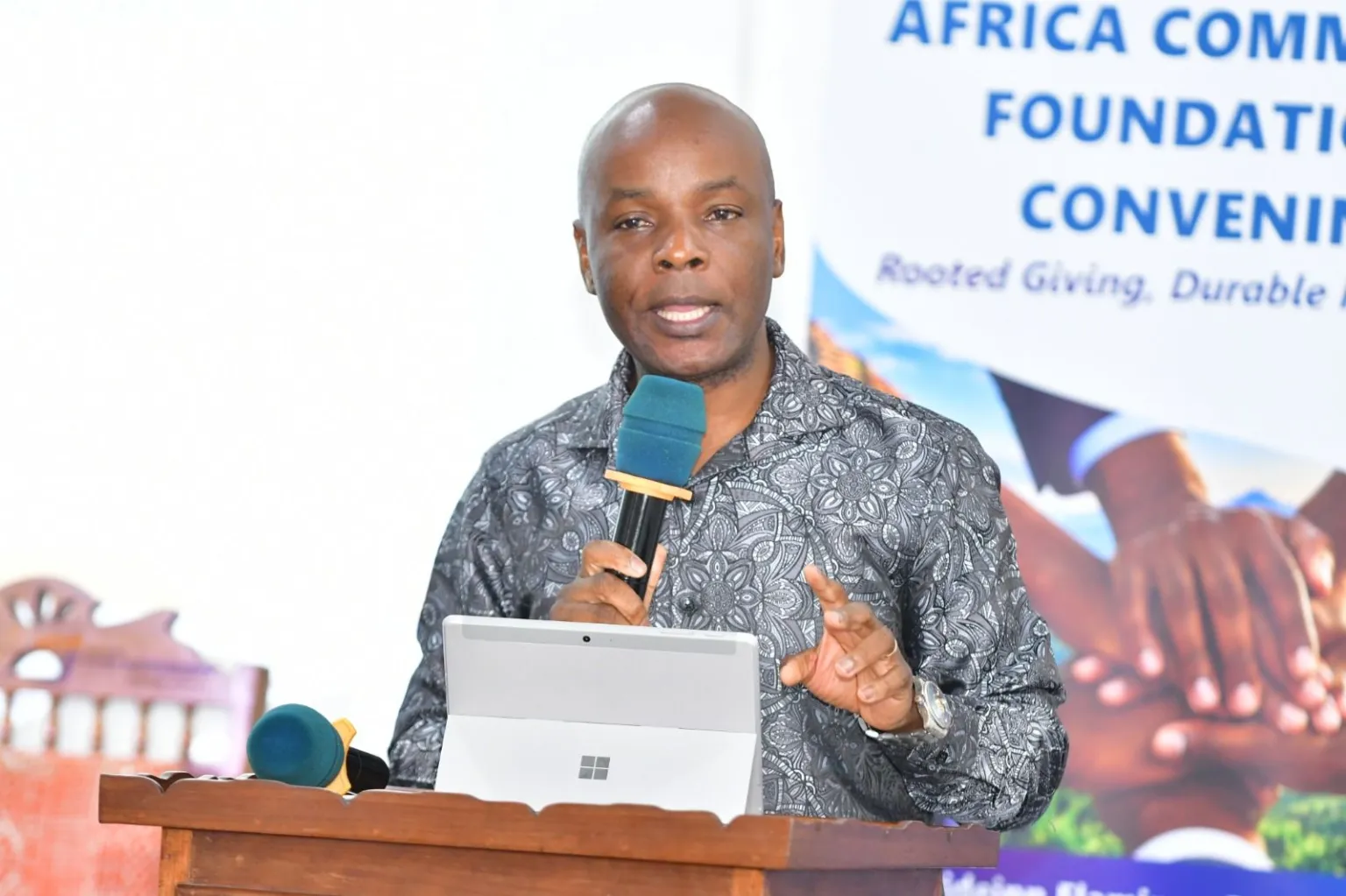
Community philanthropy is gaining momentum in Africa as community foundations, funders, researchers and development partners gather in Mombasa, Kenya, to explore how locally rooted institutions can become more sustainable and better equipped to support community-led development.
The inaugural Africa Community Foundations Convening, held from 5 to 8 October 2026, is taking place under the theme “From Rooted Giving to Durable Institutions: Building Africa’s Community Foundations Movement.”
The gathering aims to strengthen the foundations of community philanthropy by examining how local giving, community ownership and institutional development can contribute to long-term social and economic progress across the continent.
The first two days focused on the origins and relevance of community foundations, alongside the structures required to sustain them. Discussions explored community ownership, governance, local resource mobilisation, grantmaking and institutional sustainability.
On 7 October, the programme shifted towards “Movement + Commitment”, bringing participants together to consider how community foundations can collaborate, share knowledge and translate discussions into collective action beyond the convening.
The East Africa Philanthropy Network (EAPN), which participated in the gathering, emphasised that community philanthropy is already deeply rooted in African communities, where people mobilise resources and organise around shared priorities.
“Communities across Africa are already mobilising resources, organising around shared priorities and sustaining forms of giving rooted in place,” EAPN said in a post shared during the convening.
The network highlighted the importance of building stronger institutions around these existing practices to ensure that community-led giving can achieve lasting impact.
Speaking at the opening of the convening, EAPN Chief Executive Officer Evans Okinyi stressed that community foundations cannot thrive in isolation and require supportive systems to grow.
“For EAPN, we understand that community foundations do not develop in isolation, their strength depends on the infrastructure around them,” Okinyi said.
He highlighted the need for trusted governance, clear institutional pathways, appropriate capital, supportive regulation and stronger connections across the community philanthropy sector.
These structures are considered essential to helping community foundations build credibility, mobilise local resources, attract funding and maintain their operations over time.
Unlike approaches that rely primarily on external funding, community philanthropy places emphasis on local participation, ownership and the ability of communities to direct resources towards their own priorities. Strengthening community foundations can therefore help create institutions that are more responsive to local needs and better positioned to sustain development initiatives.
The convening’s final day, 8 October, is dedicated to the future of community foundations in Africa and the planned launch of the Africa Community Foundations Alliance (ACFA).
The proposed alliance is expected to provide a continental platform for networking, shared learning, evidence generation, advocacy and long-term stewardship of the community foundations movement.
Its establishment would offer an opportunity to connect institutions working in different African countries, encourage collaboration and strengthen the collective voice of community philanthropy organisations.
As the sector continues to develop, participants are examining how locally mobilised resources can complement external funding while strengthening community ownership and institutional resilience.
The inaugural convening marks a step towards building a more connected community foundations movement in Africa, with an emphasis on turning existing traditions of local giving into sustainable institutions capable of supporting long-term community development.

Leave a Reply