

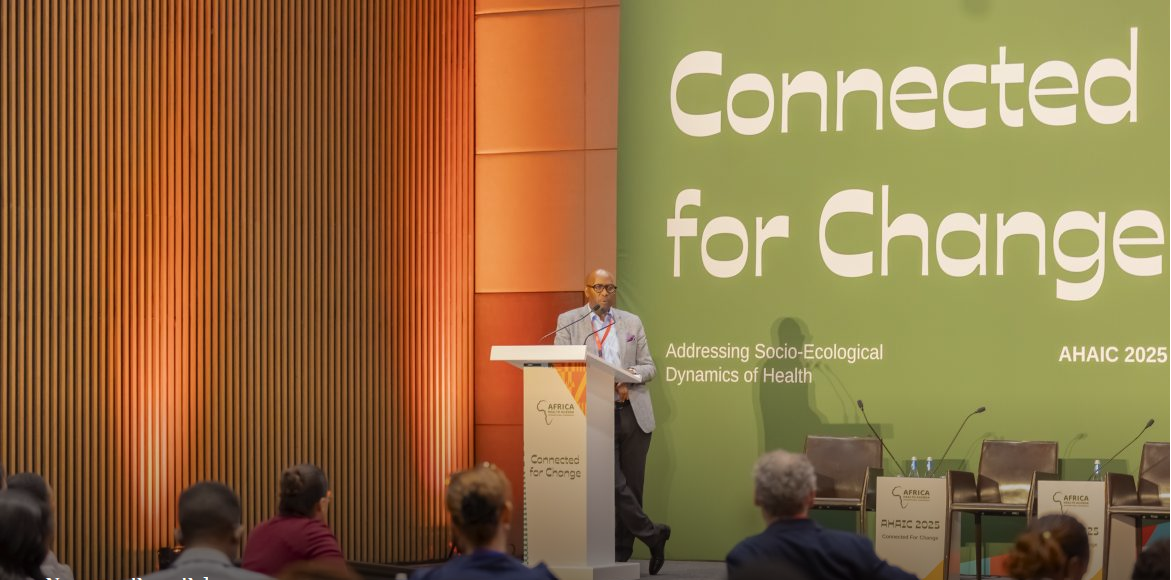
As health leaders, policymakers, and advocates gather for the World Health Summit, one message is ringing clearer than ever: the global health financing model is at a critical breaking point.
With Official Development Assistance falling by 23.1% in 2025, health systems across Africa are feeling the strain. Essential services—ranging from maternal and newborn care to immunizations and HIV treatments—have long relied on short-term external funding. This sudden reduction in aid exposes a fundamental vulnerability: when external support falters, local systems risk collapse.
To address this crisis, Amref Health Africa is calling for a bold, sustainable paradigm shift in global health investment. Led by Group CEO Dr. Githinji Gitahi, the Amref delegation is advocating for a future built on African-led ownership, resilient primary healthcare, and predictable international solidarity.
Moving From Commitments to Practical Delivery
Africa does not lack vision or priorities—what it lacks is financed delivery.
At this year’s Summit, Amref’s engagement centers on three core pillars:
- African-Led Health Reform: Empowering national and regional institutions to set priorities, requiring international donors to align behind country plans rather than creating parallel structures.
- Resilient Primary Healthcare (PHC): Building health systems from the bottom up. Outbreaks and health crises don’t start in conference rooms—they happen in homes, markets, and local villages.
- Empowering the Health Workforce: Properly financing, supporting, and compensating healthcare professionals, particularly frontline Community Health Workers.
Across three co-hosted sessions, seven speaking engagements, and six bilateral meetings, Amref is translating high-level policy into actionable strategies. From showcasing Ethiopia’s transformation toward Sustainable Development Goal 3 (SDG 3) to facilitating cross-regional dialogue, the focus remains firmly on making health systems work in practice.
7 Actions for a Sovereign, Health-Secure Future
To build an equitable global health architecture, Amref is urging decision-makers and international partners to act on seven key priorities:
- Put African Leadership First: Ensure national priorities guide all global health reforms and investments.
- Protect and Scale Primary Healthcare: Guarantee fair remuneration and resources for community-level health workers.
- Restore Predictable Financing: Provide stable, long-term funding for countries facing severe economic constraints.
- Safeguard Fragile Regions: Deploy flexible, dedicated financing for settings impacted by conflict, displacement, and extreme poverty.
- Finance Outbreak Preparedness: Invest early in disease surveillance, emergency operations, and routine immunizations before the next pandemic hits.
- Boost Regional Manufacturing: Expand local production of vaccines, diagnostics, and therapeutics to insulate Africa from global supply chain shocks.
- Connect Climate Finance to Local Care: Channel climate resilience funds directly into health facilities so they remain operational during floods, droughts, and extreme heatwaves.
Reframing Health Expenditure as an Investment
Health care should no longer be viewed as a cost burden—it is the foundational infrastructure for human development and economic resilience.
African governments must expand domestic fiscal space and strengthen public financial management, directing domestic resources toward primary care and prevention. At the same time, international partners must provide catalytic support that reinforces—rather than substitutes for—national health systems.
“Africa is ready to lead a more effective and equitable health future, but leadership must be matched by resources, accountability, and partnerships that strengthen not substitute for African systems. The choice before the world is not whether to invest in health, but whether to invest early, intelligently, and together, or pay a far higher human and economic price later.”
— Dr. Githinji Gitahi, Group CEO, Amref Health Africa
Looking Ahead: The Journey to AHAIC 2027
The momentum built at the World Health Summit is paving the way for the Africa Health Agenda International Conference (AHAIC) 2027, co-hosted by Amref Health Africa, the Ministry of Health Rwanda, Africa CDC, and WHO-Afro.
- Dates: February 28 – March 3, 2027
- Location: Kigali, Rwanda
- Theme: “Connected for Change: From Dialogue to Delivery: Redesigning Africa’s Ecosystem for a Healthy, Sovereign Future.”
AHAIC 2027 will bring together governments, researchers, community leaders, and investors to turn policy discussions into tangible, lasting action across the continent.
What are your thoughts on shifting toward country-owned health financing? Join the conversation in the comments below or share this article to spread the word

Leave a Reply