

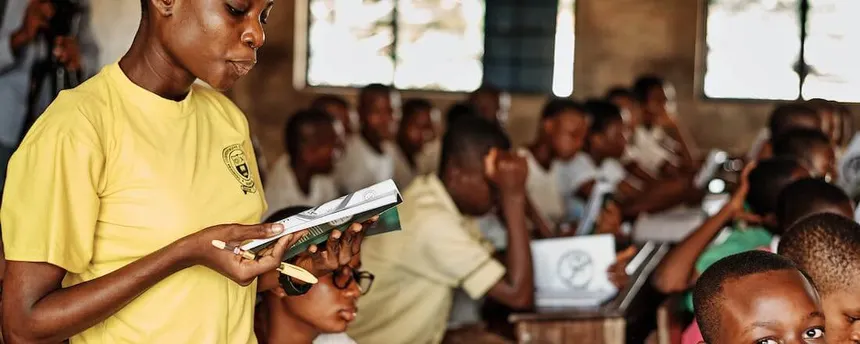
Ghana Education Trust Fund has launched a nationwide furniture appeal aimed at mobilising desks, chairs, bunk beds and other essential items for schools facing shortages across the country.
The Collective Furniture Appeal is being implemented through GETFund’s Education Financing and Partnership Initiative and is designed to attract support from the private sector, civil society, alumni groups, religious organisations, philanthropists and development partners.
The campaign responds to a basic but persistent education challenge: some schools continue to operate with inadequate classroom and boarding furniture even as governments invest in new infrastructure and expanded access.
Furniture shortages can affect classroom organisation, student comfort, dignity and learning. In boarding schools, inadequate beds and related facilities can also place pressure on already stretched accommodation systems.
By opening the campaign to multiple categories of donors, GETFund is attempting to build a coordinated model of education philanthropy rather than relying on isolated donations made directly to individual schools.
That approach could make it easier to map needs, direct resources to priority schools and reduce duplication, although its success will depend on transparent allocation and public reporting on what is received and where it is deployed.
Ghana has made significant investments in education access in recent years, but infrastructure quality and school-level resources remain uneven. The furniture appeal highlights the fact that expanding enrolment also requires investment in the everyday physical conditions in which students learn.
For businesses and foundations, the initiative creates an opportunity to support education through tangible infrastructure rather than only scholarships or one-off school events.
For the public sector, however, philanthropy is best treated as complementary financing. Ensuring that every child has a safe and functional learning environment remains a core public responsibility even when private and civil-society partners contribute resources.

Leave a Reply