

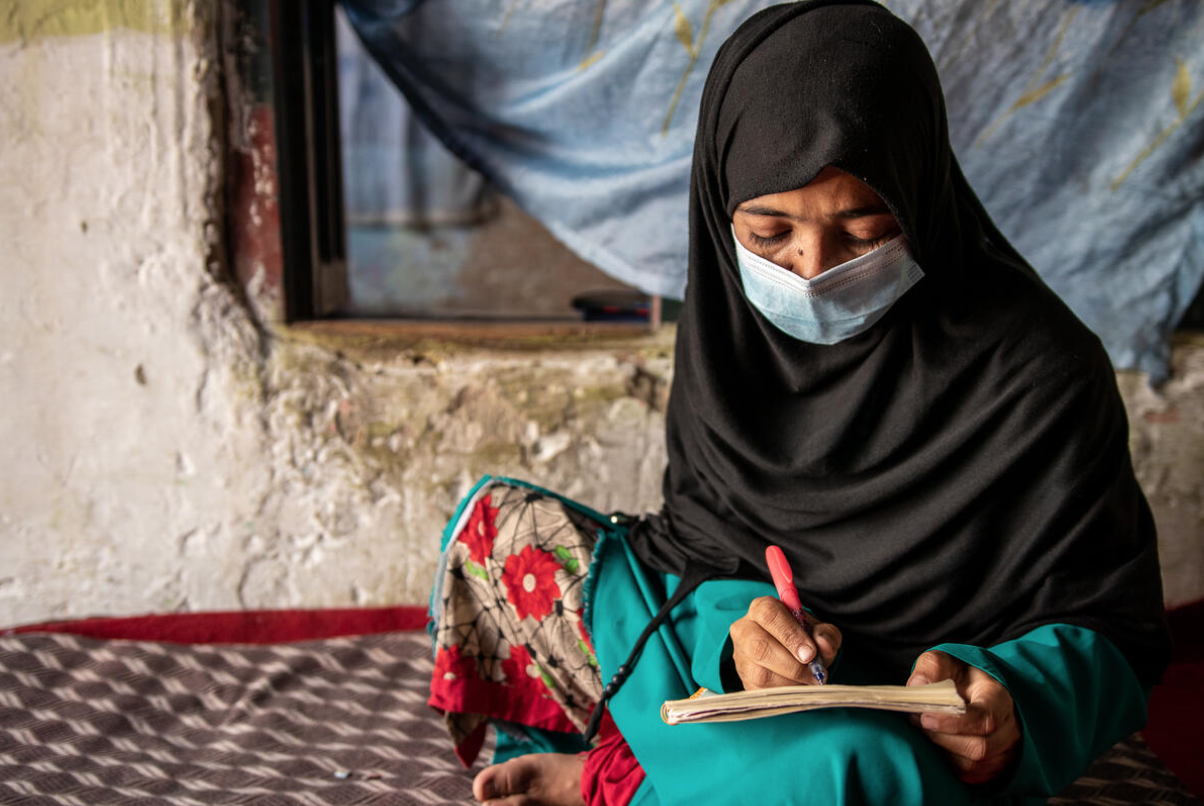
Nearly 50 people have been returned to Afghanistan this year under what the European Union describes as “voluntary returns”, with support from Frontex, the EU’s border and coast guard agency. The return operations are being coordinated in Afghanistan by Irara, a Belgium-based non-governmental organisation (NGO) led by individuals with backgrounds in the United Kingdom’s private security and immigration sector.
The development comes as the European Commission explores ways to gradually re-establish practical engagement with Afghanistan’s Taliban-led administration amid growing pressure from several EU member states to increase deportations of migrants whose asylum applications have been rejected. Critics argue that such efforts could contribute to normalising relations with a regime widely accused of systematic human rights violations and repression.
Speaking earlier this month in Brussels, Frontex Executive Director Hans Leitjens said the agency is currently unable to carry out forced returns to Afghanistan because of the country’s security situation. However, he acknowledged that the position could change depending on future safety assessments and decisions made by the European Union and its member states.
“That might be the case, I don’t know yet,” Leitjens said when asked whether forced returns could eventually become possible.
His remarks have fuelled concerns among human rights organisations, which maintain that Afghanistan remains unsafe for returnees following the Taliban’s return to power in 2021.
The returns are being facilitated through Frontex’s EU Reintegration Program (EURP), which provides financial assistance and practical support to migrants who voluntarily return to their countries of origin. According to Frontex, the program works with local organisations and NGOs to help returnees rebuild their lives through financial assistance, counselling and reintegration services.
Irara has emerged as the program’s largest non-state partner. The organisation received approximately €39 million in funding from Frontex in 2025, after securing €19.5 million in contracts the previous year. Established in 2017 by Jeremy Aldridge and Jason Ollivent, the NGO has experienced rapid financial growth as European governments strengthen return policies under new EU migration rules.
The later appointment of Lynda Ollivent and Melanie Aldridge as directors has prompted observations that the organisation operates as a family-managed business.
Several of Irara’s senior executives have extensive experience in Britain’s immigration and security sector. Co-founder Jeremy Aldridge spent more than 13 years at Serco, the British multinational outsourcing company, where he helped expand its immigration services division. Meanwhile, Managing Director Danny Spencer previously served as a UK prison governor before working for Mitie Care and Custody Ltd, a company responsible for immigration detention and detainee escort services in the United Kingdom.
Although Irara has reportedly been operating in Afghanistan since at least 2021, the country is not listed among the locations featured on the organisation’s public website, which instead highlights operations in Nigeria, Somalia, Sri Lanka, Turkey and Vietnam.
However, Frontex spokesperson Chris Borowski confirmed the partnership, stating, “Irara is our partner in Afghanistan.”
Operating from a modest registered office near the European Commission headquarters in Brussels, Irara has seen extraordinary financial expansion in recent years. The organisation’s total equity reportedly increased from just over €16,000 in 2021 to nearly €8 million by 2024. Its total assets also rose significantly, climbing from €3.57 million to €15.46 million within a single year, largely driven by payments from Frontex and other government contracts.
The revelations come at a time when the European Union faces increasing political pressure to strengthen migration and return policies. While EU officials maintain that voluntary return programmes provide migrants with support to return home safely, human rights groups argue that facilitating returns to Afghanistan raises serious ethical and humanitarian concerns given the country’s ongoing instability, economic hardship and restrictions on fundamental freedoms under Taliban rule.
The developments have reignited debate over the European Union’s migration strategy, with critics urging policymakers to ensure that any future return agreements with Afghanistan fully comply with international refugee law and humanitarian obligations.

Leave a Reply