

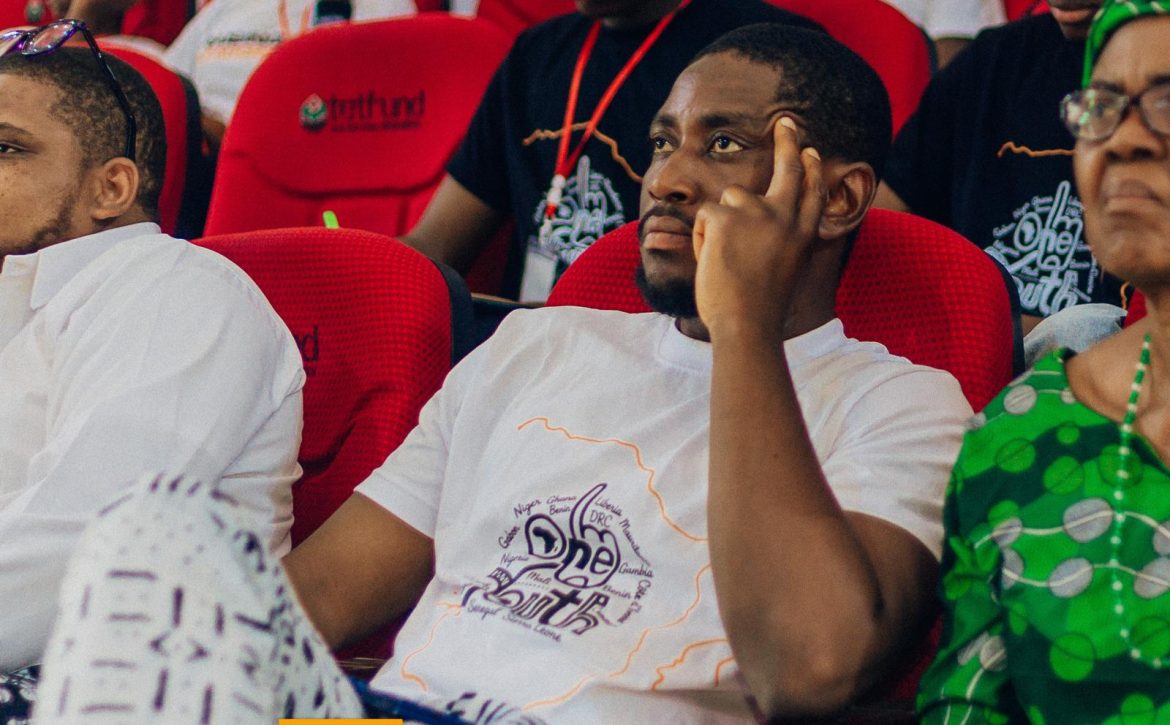
Forty three students walked out of a university hall in Abakaliki with something rarer than a prize: a fully funded path through higher education. One Youth Global, a youth leadership and development NGO, awarded the full scholarships at the grand finale of Spark Nation 3.0, held at the permanent site of Ebonyi State University, after a continent wide contest that drew 192 schools from across Africa.
The organisation is pitching education as the practical answer to problems usually blamed on politics. One Youth Global’s president, Uchechukwu Agbo, urged African governments to put learning at the centre of national planning, arguing that weak governance, unemployment and economic hardship trace back to the same root. “We cannot talk about development while the classroom is neglected,” he said. “Almost every challenge we face, whether in leadership, the economy or our communities, can be traced back to the kind of education we give our children.”
The scholarships are aimed squarely at the money barrier that ends promising school careers early. Agbo said the initiative exists to stop talented young Africans from dropping out for lack of funds. “It is painful to watch a gifted child give up on education because of money,” he said. “These scholarships are our way of saying that no dream should die because a family is poor.” He called on governments, private firms and philanthropists to put more into scholarships, mentorship and school infrastructure, and pressed for reforms that make African education more practical and entrepreneurial so graduates become job creators rather than job seekers.
The programme itself was built to teach problem solving, not just reward it. Samson Amulu, One Youth Global’s Director of Programmes and Boot Camp, said Spark Nation 3.0 combined academic learning with hands on leadership training, splitting participants into five sectors of influence covering education, the economy, security and community development, with each group identifying a societal challenge and proposing a fix. Top performers in the quiz and debate rounds earned the scholarships.
For the winners, the stakes are personal and immediate. Speaking for the recipients, Chukwuemeka Prosper and Alum Kelyn appealed to African leaders to invest more in young people. “Education has opened doors we never imagined,” they said, “and every young African deserves the same chance.” The harder question, as ever with scholarship programmes, is scale: 43 funded futures is a real win for 43 families, and a rounding error against the millions of Nigerian children still priced out of the classroom.

Leave a Reply