


Hospitals across eastern Democratic Republic of the Congo (DRC) are nearing capacity as the Bundibugyo Ebola outbreak continues to spread, forcing neighbouring Uganda to deploy medical experts and help establish additional treatment centres in a race to prevent the virus from gaining further ground across the region.
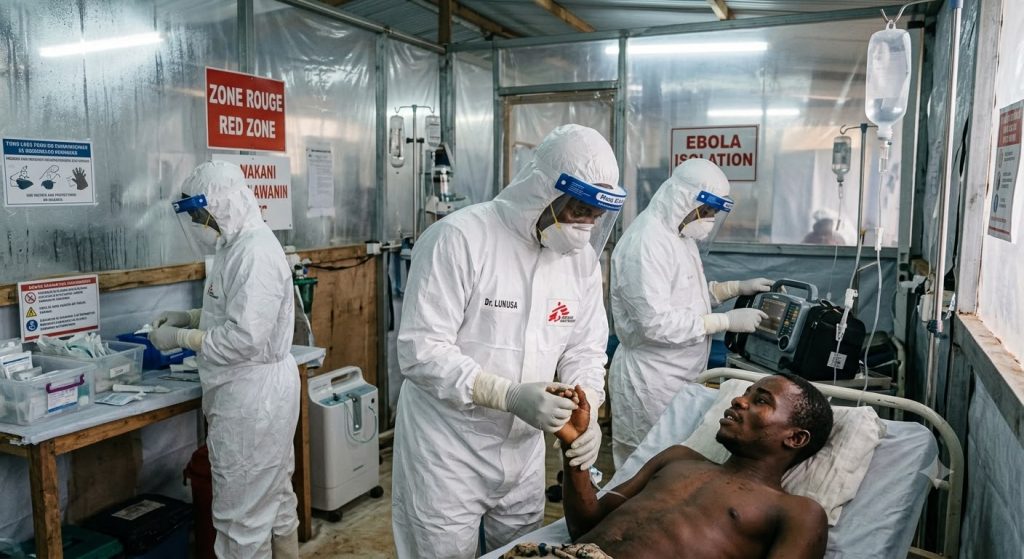
The move comes as treatment facilities in the outbreak’s epicentre operate at 96 per cent bed occupancy. At the same time, frontline healthcare workers in Ituri Province have warned they could suspend services over long-delayed salaries, adding fresh pressure to an already strained health system.
Uganda’s Minister of Health, Chris Baryomunsi, said expanding treatment capacity remains the immediate priority before normal cross-border movement can safely resume.
“Priority is health first. Let us make our people healthy and free of disease. Once we establish those treatment centres, we shall eventually open the borders. If we are sure to get all patients to treatment centres, we can trace the contacts, they are isolated and followed, then that will not be a worry.”
His remarks reflect growing concern that unless transmission is brought under control, the outbreak could spread further across East Africa through one of the region’s busiest cross-border corridors.
A regional response shaped by experience
Uganda’s latest intervention is built on more than two decades of experience responding to Ebola and other viral haemorrhagic fevers.
Since successfully containing a major Sudan virus outbreak in 2000, the country has confronted several Ebola epidemics, including the world’s first outbreak caused by the Bundibugyo virus in 2007.
Those experiences have strengthened Uganda’s surveillance systems, laboratory capacity, emergency response teams and cross-border disease monitoring, making it one of Africa’s most experienced countries in Ebola preparedness and response.
That experience is reflected in the contrasting outcomes now emerging on either side of the border.
Across the region, the Bundibugyo Ebola outbreak has infected 1,645 people, claimed 523 lives and left 290 survivors.
Almost all infections have been recorded in the DRC, which has reported 1,604 confirmed cases, 521 deaths and 273 recoveries.
Uganda has confirmed 20 cases, with 16 recoveries and two deaths.
Public health experts attribute Uganda’s comparatively lower mortality to rapid case detection, aggressive contact tracing, early isolation of patients and coordinated surveillance along its porous border with the DRC.
The difference is equally evident in patient outcomes. While the DRC has recorded a case fatality rate of about 32 per cent, Uganda’s stands at 10 per cent.
Although both countries are battling the same Bundibugyo strain, the contrast illustrates how early diagnosis, prompt clinical care and coordinated public health interventions can influence survival during an Ebola outbreak.
DRC Conflict complicates containment
Containing the outbreak has proved far more difficult in eastern DRC, where armed conflict, repeated population displacement and a fragile healthcare system continue to complicate response efforts and fuel transmission.
According to the World Health Organization (WHO), the outbreak remains active as health authorities continue working to establish its full extent.
WHO Representative to the DRC, Dr Anne Ancia, said more than 10,000 contacts are currently under daily follow-up as surveillance teams intensify efforts to break chains of transmission.
To manage the growing number of patients, treatment capacity has been expanded to approximately 700 beds across 22 treatment centres, with another 300 beds expected to become operational in the coming weeks.
Even with the additional facilities, many treatment centres remain close to full occupancy, underlining the mounting pressure facing frontline health workers.
From a local outbreak to a regional emergency
The outbreak was first detected on May 5, 2026, when the WHO received reports of a high-mortality illness in Mongbwalu Health Zone in Ituri Province, including deaths among healthcare workers.
Laboratory analysis confirmed Bundibugyo virus disease on May 15, prompting the DRC Ministry of Public Health to declare the country’s 17th Ebola outbreak that same day.
Within 24 hours, Uganda confirmed two laboratory-confirmed cases in Kampala involving travellers from the DRC who had no apparent epidemiological link.
Recognising the potential international risk, the WHO Director-General declared the outbreak a Public Health Emergency of International Concern on May 17 under the International Health Regulations.
The cross-border spread has placed neighbouring countries, including Kenya, on heightened alert as health authorities strengthen surveillance and preparedness.
Fighting Ebola without a vaccine
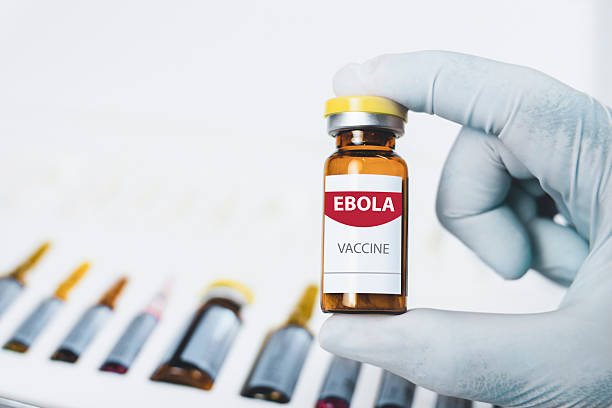
Unlike previous Ebola outbreaks caused by the Zaire strain, the current Bundibugyo outbreak is unfolding without a recommended vaccine.
On May 28, the WHO advised against using the rVSV-ZEBOV vaccine, citing insufficient evidence that it protects the Bundibugyo strain.
That leaves health authorities relying on the fundamentals of outbreak control: rapid identification of cases, strict isolation, intensive contact tracing, safe burials, personal protective equipment and disciplined infection prevention by healthcare workers.
Those measures remain the strongest defence against further transmission.
For Uganda, they have helped keep infections relatively low despite sharing a long and porous border with the DRC.
For eastern DRC, where hospitals are approaching capacity and healthcare workers warn they may withdraw services over unpaid salaries, the challenge is becoming increasingly urgent.
As treatment centres continue to fill and thousands of contacts remain under daily monitoring, the Bundibugyo Ebola outbreak is testing not only the resilience of the DRC’s healthcare system but also the strength of regional cooperation in containing one of Africa’s most dangerous infectious diseases before it spreads further across its borders.

Leave a Reply