

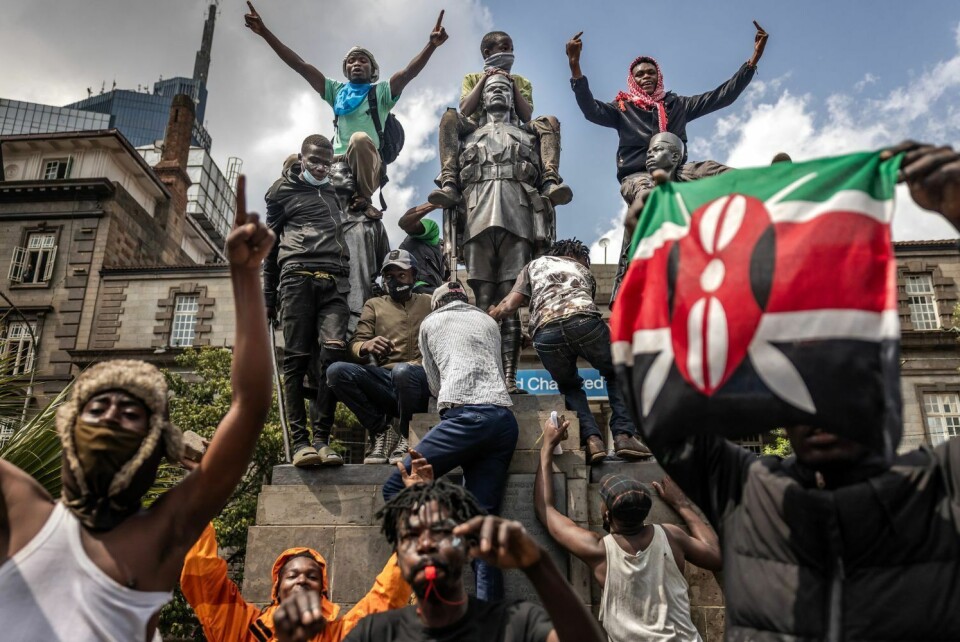
Demonstrators denouncing the tax policies of president William Ruto, security officers responded ruthlessly. Photo: AFP
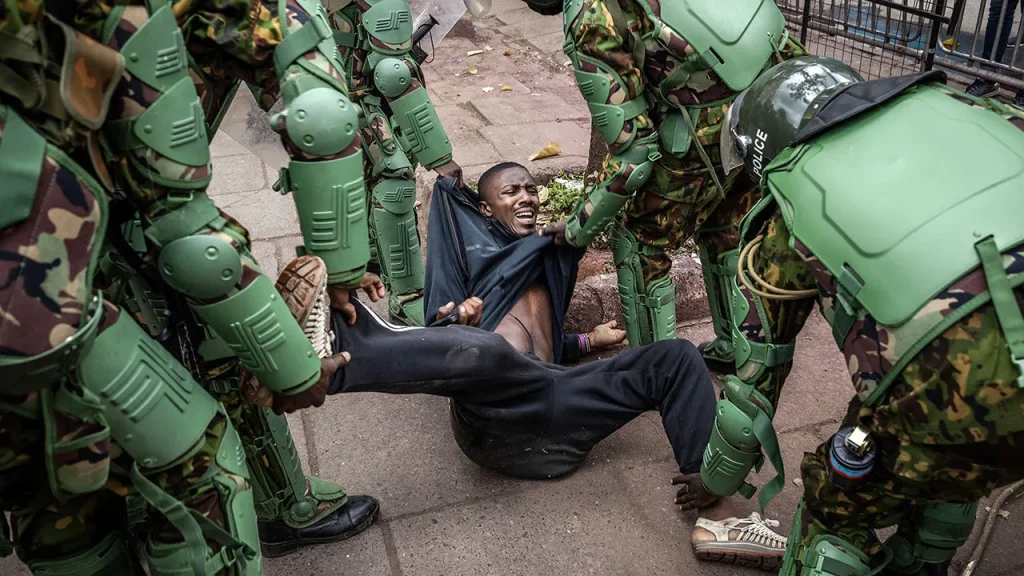
Two years have passed since thousands of young Kenyans poured into the streets carrying little more than their convictions, national flags and mobile phones.
They came from different walks of life, students, boda boda riders, professionals, traders and job seekers, united by a shared belief that their voices mattered. Their message was simple: Kenya could do better.
What unfolded in June 2024 would leave a lasting mark on the country’s history.
As the nation reflects on the second anniversary of the Gen Z protests, memories return not only of the crowds that filled the streets but also of the lives that never made it home. More than 60 people were killed during the demonstrations, transforming a movement for accountability into a painful chapter marked by grief and unanswered questions.
The first fatality was recorded on June 20, 2024.
Rex Kanyike Masai, 29, was shot during demonstrations in Nairobi’s city centre. A postmortem later established that he died from excessive bleeding after suffering a gunshot wound to the thigh.
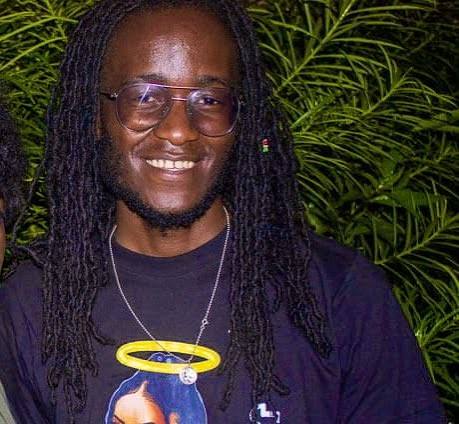
His death became one of the defining symbols of the protests.
Yet, nearly two years on, his family is still waiting for closure. Court proceedings linked to his killing remain ongoing, and while a police officer has been identified as the main suspect, the case has faced fresh uncertainty after investigators admitted they lacked sufficient evidence to conclusively place him at the scene.
Questions about accountability continue to dominate conversations around the protests.
Lawyers representing the National Police Service have accused investigators of failing to pursue crucial evidence, including CCTV footage and key witness testimony that could help establish what happened on that day.
Five days after Masai’s death, the demonstrations reached a turning point.
On June 25, thousands of protesters converged on Parliament as lawmakers debated and passed the Finance Bill. Images from that day captured scenes few Kenyans had ever witnessed, crowds breaching the grounds of Parliament and security forces moving in to regain control.
The violence that followed claimed numerous lives.
Among those killed was David Chege, an IT professional whose death became one of the most widely discussed cases from the demonstrations. He was reportedly among the first people killed after protesters entered Parliament grounds.
Ericson Kyalo Mutisya, a 25-year-old butcher, also lost his life that day after being shot during the chaos. To date, no officer has publicly been held responsible for his death.
Another victim was Eric Shieni, a University of Nairobi student pursuing a degree in Finance. The 27-year-old was preparing to graduate later that year when he was shot as protesters dispersed from Parliament grounds.
Nineteen-year-old boda boda rider Ibrahim Kamau Wanjiru was also killed after sustaining gunshot wounds near Parliament.
While many of those who died had joined the demonstrations, others were simply caught in events beyond their control.
In Rongai, 12-year-old Kennedy Onyango stepped out to borrow a book from a friend. He never returned home.
His family says he was not taking part in the protests. A postmortem later revealed the extent of the injuries that ended his life. His mother remembered him as a bright child with a gift for drawing and a future full of promise.
The same town lost another young life.
Kevin Odhiambo, 16, was heading home from school when he was shot. The school head boy carried only a pen and a house key in his pockets. His mother described him as a natural leader whose ambition of becoming an electrician would never be realised.
Elsewhere, families mourned sons and daughters whose aspirations ended abruptly.
In Uasin Gishu County, Form Four student Credo Oyaro was killed after being shot in the head. The 17-year-old had hoped to pursue football professionally.
In Mombasa, Emmanuel Giggs Tata became the first reported casualty linked to the protests in the coastal city after inhaling tear gas during confrontations between police and demonstrators.
Kisumu lost Benson Mbithi, a bus tout whose plans for the future included moving into his own home before the end of the year. His death left behind a young daughter.
In Kakamega, street vendor Caroline Shiramba was caught up in the turmoil while trying to board public transport. She was shot in the back.
Narok’s Brian Lemaiyan Kasaine, who was preparing to begin higher education, also lost his life.
In Nakuru, Austin Makokha and Michael Kihunga Nyaguthii were among those who succumbed to injuries sustained during the unrest.
Not every victim died at the scene.
Denzel Omondi Onyango, a third-year university student, was last seen after taking part in the June 25 demonstrations. Friends later saw him at campus before he disappeared.
Days later, his body was recovered from an abandoned quarry in Juja.
By the beginning of July 2024, the Kenya National Commission on Human Rights had documented 39 deaths linked to the protests. In the weeks that followed, that number rose beyond 60.
The fatalities were spread across at least 13 counties, underlining the nationwide reach of the demonstrations.
The search for justice remains far from complete.
This week, the Independent Policing Oversight Authority reported that only three of the 127 protest-related deaths recorded since 2024 are currently before the courts as murder cases.
Dozens of files remain under investigation, with officials citing forensic delays and evidentiary challenges as major obstacles.
Human rights groups, including Amnesty International, have repeatedly criticised the use of live ammunition, rubber bullets, tear gas and water cannons against civilians during the demonstrations.
Alongside the legal process, the government has begun implementing a compensation programme for victims and their families.
Hundreds of verified claimants have been approved for payments covering fatalities, injuries, sexual offences and economic losses linked to demonstrations between 2013 and 2025.
Families of those who died are set to receive Sh3 million each under the programme, while compensation has also been allocated to victims who suffered varying levels of injury and loss.
Officials say the payments are intended to recognise the harm suffered and provide a measure of redress.
For many families, however, financial compensation does little to ease the pain of an empty chair at the dinner table, an unfinished education or dreams that were never given a chance to unfold.
Two years later, the anniversary of the Gen Z protests is not only a moment of remembrance. It is also a reminder of the questions that remain unanswered and the families still waiting for justice.
The names of those who died continue to live on in public memory, carried forward by a generation that insists their sacrifice should never be forgotten.

Leave a Reply