

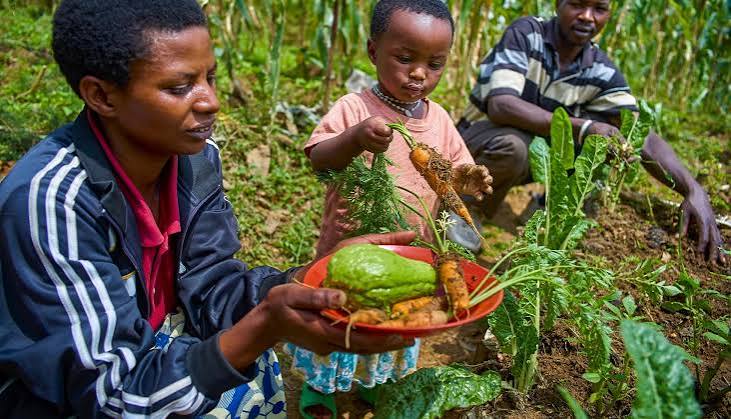
Drought has become one of the greatest threats to food security across Africa, affecting millions of people and placing immense pressure on agricultural systems that many communities depend on for survival. As climate change intensifies, prolonged dry spells and unpredictable rainfall patterns are becoming more common, raising concerns about the continent’s ability to feed its growing population.
Agriculture remains the backbone of many African economies, employing a significant portion of the population and contributing greatly to national development. However, the sector is heavily dependent on rainfall, making it highly vulnerable to drought and other climate-related challenges.
The Impact of Drought on Food Production
Across regions such as East Africa, Southern Africa, and the Horn of Africa, recurring droughts have led to poor harvests, reduced crop yields, and widespread livestock losses. Farmers who rely on seasonal rains are finding it increasingly difficult to predict planting and harvesting periods, resulting in lower agricultural productivity.
When crops fail, food supplies become scarce, causing prices to rise and making it difficult for vulnerable households to afford basic necessities. This often leads to increased food insecurity, malnutrition, and economic hardship for millions of families.
In many rural communities, prolonged drought has forced farmers to abandon their fields or seek alternative sources of income. Some families have migrated to urban areas in search of better opportunities, placing additional pressure on already stretched social services and infrastructure.
Climate Change and Rising Drought Risks
Experts have linked the increasing frequency and severity of droughts to climate change. Rising global temperatures contribute to higher rates of evaporation, reduced soil moisture, and shifting weather patterns that affect rainfall distribution across the continent.
These changes are particularly concerning for Africa, where many countries have limited resources to adapt to climate-related challenges. Without adequate investment in climate resilience, communities remain vulnerable to recurring food crises.
The effects of drought extend beyond agriculture. Water shortages impact sanitation, healthcare, education, and energy production, creating a chain reaction that can hinder social and economic development.
Communities Adapting to the Challenge
Despite these difficulties, communities across Africa are developing innovative ways to strengthen food security and build resilience against drought.
Farmers are increasingly adopting climate-smart agricultural practices, including the use of drought-resistant crops, conservation farming techniques, efficient irrigation systems, and improved water management methods. These approaches help reduce dependence on rainfall while maintaining productivity under changing climate conditions.
Community-led water harvesting projects are also helping farmers store water during rainy seasons for use during dry periods. In several regions, farmer cooperatives are sharing knowledge, resources, and best practices to improve resilience and promote sustainable agricultural production.
The Role of Technology and Innovation
Technology is playing an increasingly important role in addressing drought-related food insecurity. Mobile applications now provide weather forecasts and farming advice, enabling farmers to make informed decisions about planting and harvesting.
Satellite monitoring and climate data systems are helping governments and humanitarian organizations identify drought-prone areas and respond more effectively. At the same time, agricultural researchers are developing crop varieties that can withstand harsh climatic conditions while maintaining strong yields.
These innovations are equipping farmers with the tools and information needed to adapt to a changing climate and safeguard their livelihoods.
Strengthening Food Security for the Future
Addressing drought and food insecurity requires coordinated action from governments, development partners, private sector organizations, and local communities. Investments in irrigation infrastructure, agricultural research, climate adaptation programmes, and rural development initiatives are essential for building long-term resilience.
Education and training programmes can also equip farmers with the skills and knowledge needed to adopt sustainable agricultural practices and respond effectively to climate-related challenges.
A Shared Responsibility
The growing challenge of drought and food insecurity highlights the urgent need for climate action. While African communities continue to demonstrate remarkable resilience and innovation, they cannot tackle these challenges alone.
Supporting climate adaptation efforts, promoting sustainable agriculture, and investing in resilient food systems will be critical to ensuring that future generations have access to adequate and nutritious food.
As drought continues to reshape the agricultural landscape across Africa, the continent’s response will not only determine the well-being of millions of people but also offer valuable lessons on resilience, adaptation, and sustainable development in an increasingly uncertain world.

Leave a Reply