


Abuja Furniture Production (AFP), the furniture-making subsidiary of Julius Berger Nigeria Plc, has showcased locally manufactured furniture at Design Week Lagos, highlighting the role of domestic production in supporting young designers, creating jobs and strengthening Nigeria’s furniture industry.
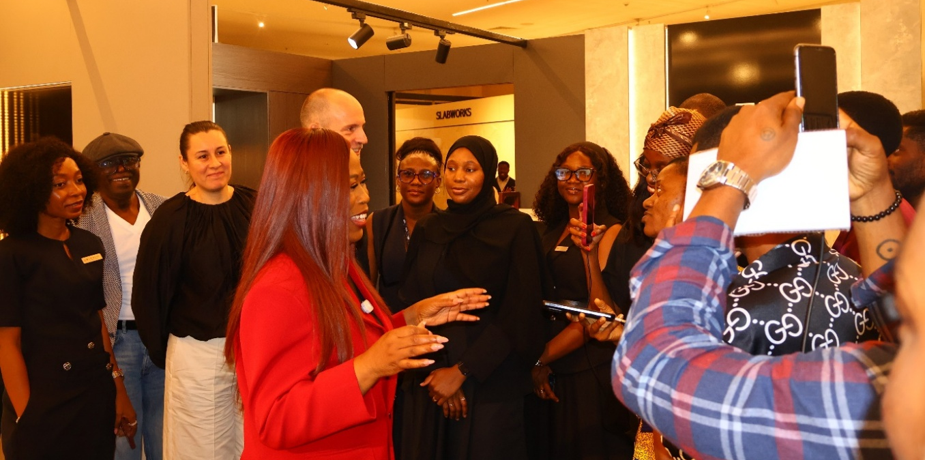
The company received commendation from Titi Ogufere, founder of Design Week Lagos, during a visit to its pavilion at the exhibition. Ogufere praised AFP for integrating young designers into its production processes and maintaining its participation in the annual event.
She noted that AFP had participated in the Made by Design exhibition for more than eight years, missing only one or two editions. She described the company’s continued involvement as an important contribution to promoting Nigerian brands, supporting emerging creative talent and increasing the visibility of locally manufactured products.
Ogufere expressed hope that AFP would continue collaborating with the exhibition organisers to strengthen the Made-in-Nigeria brand and create more opportunities for young designers and creative thinkers.
In response, AFP General Manager Oliver Cohnen thanked her for the recognition and commended the platform for providing Nigerian furniture manufacturers with opportunities to showcase products capable of competing with international alternatives.
Speaking during a panel discussion at the exhibition, Cohnen advised aspiring manufacturers to understand their target markets and customers’ needs before investing heavily in machinery and production equipment.
Drawing on his 20 years of experience in the furniture industry, he explained that successful manufacturing required appropriate production capacity, efficient factory layouts, reliable suppliers and effective quality control.
He also emphasised the importance of training workers before expanding production, noting that skilled employees were central to business performance.
“For me, it is the people who make the difference, not the machines,” he said.
Jonathan Agwunobi, co-founder of TRT Arredo Limited, also highlighted the importance of standardising production processes to improve efficiency and maintain consistent product quality as businesses expand.
He advised manufacturers to concentrate on developing expertise in selected areas rather than pursuing every available commercial opportunity. He added that customer feedback and lessons from other manufacturers could help businesses improve their products and operations.
Visitors to AFP’s pavilion also praised the quality of the furniture on display and highlighted the contribution of local manufacturing to employment, skills development and reduced dependence on imported finished products.
An architect identified as Ina, who has worked with AFP on several projects, said he had experienced no problems with the company’s furniture, cabinetry and doors. He commended the finishing, attention to detail and durability of the products, noting that much of the manufacturing and assembly took place in Nigeria.
Although some components, including hinges, locking systems and certain upholstery fabrics, are imported, the company’s local woodworking and timber-processing operations contribute to domestic value creation.
Mena Glory, a content creator and media professional who owns Silver Pinnacle Heritage, also praised the products on display, noting that customers would be willing to pay for furniture that delivers good quality.
At the exhibition, AFP showcased several products, including the Vienna centre table, made from solid timber and veneered medium-density fibreboard (MDF), and the Valerie Walsh shelf, produced using lacquered MDF panels.
The company’s participation in Design Week Lagos highlights the opportunities available to Nigerian furniture manufacturers to strengthen their market presence, collaborate with emerging designers and improve their competitiveness through quality production and skilled craftsmanship.
The exhibition also underscores the importance of supporting local manufacturing as a means of developing creative talent, expanding employment opportunities and strengthening domestic value chains. For Nigeria’s furniture industry, sustained investment in skills development, innovation and product quality could help local brands reach more customers and compete more effectively in domestic and international markets.






Leave a comment