Climate Action
U-Recycle Initiative Africa Trains 20,000 Nigerian Students to Beat Plastic Waste.
 Jessy NwankamaJuly 10, 2026 · 2 min read
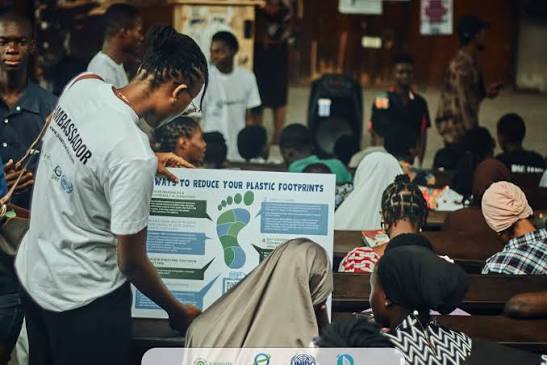
More than 20,000 Nigerian undergraduates have just been recruited into a fight against single-use plastic, and the organisation behind it is betting that behaviour, not just awareness, is what will stick. U-Recycle Initiative Africa, a youth led NGO working on environmental education and circular economy solutions across the continent, ran the campaign through the second edition of its flagship university programme, PlasticWize 2.0.
The reach is deliberately concentrated where habits form. Under the theme “Redefining Sustainable Campuses in Africa,” the initiative rolled out across four federal universities: the University of Lagos, the University of Benin, Obafemi Awolowo University and Ladoke Akintola University of Technology. The aim, U-Recycle says, is long term systemic and behavioural change, putting students at the centre of Africa’s shift toward circular economy systems rather than treating them as an audience to be lectured.
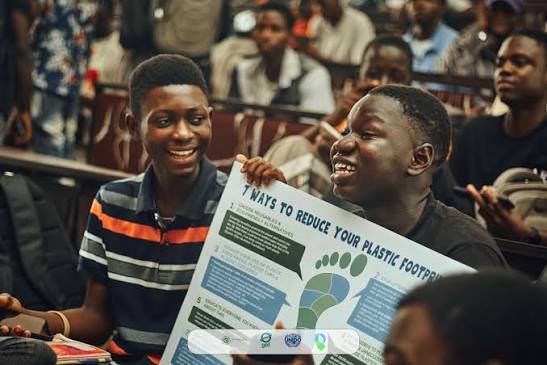
The design leans on behavioural science rather than posters. The programme’s core is a six month Eco-Campus Outreach that mixed gamification, storytelling, humour and art to nudge students toward lasting cuts in single-use plastic consumption. That approach matters because plastic pollution is fundamentally a behaviour problem at scale, and campaigns that rely on guilt tend to fade the moment the funding ends. Building the message into games and stories is an attempt to make the habit outlast the campaign.
One component turned the effort into a contest. The 10 day #iAmPlasticWize Challenge drew more than 1,200 participants into a gamified sprint of eco friendly habits. Four grand winners earned 250,000 naira scholarships each after a rigorous evaluation: Hameedah Raji of Ladoke Akintola University of Technology, Olamiposi Olasanoye of the University of Lagos, Adebayo Olugbenga of Obafemi Awolowo University and Favour Orukpe of the University of Benin.
The backing gives the effort weight beyond a single campus drive. PlasticWize 2.0 is supported by the Global Environment Facility, the world’s largest environmental funder, with technical support from the United Nations Industrial Development Organization. That pairing of a youth led African NGO with heavyweight institutional funders is the kind of model that lets a good idea move from one campus to many, and it points to where the real test lies: whether the students trained this year carry the habit off campus and into the communities they return to.